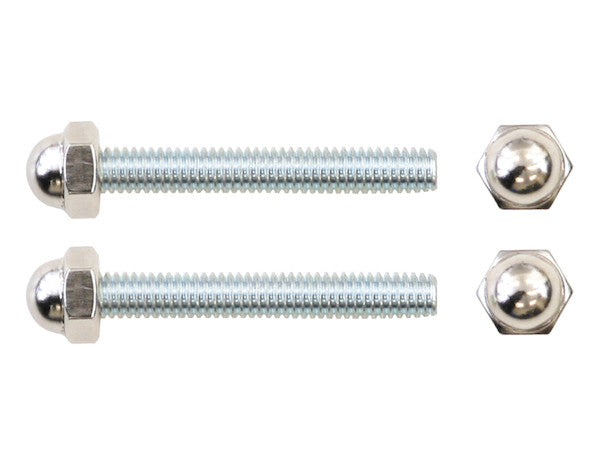
Buyers Products Mounting Hardware For B206401/B206401001 Single Axis Remote Valve Control
Specifications
| Material | Carbon Steel |
| Use WIth | B206401 (Single) |
| FInish | Zinc Plated |
Technical Overview: Precision Mounting Hardware for B206401/B206401001 Single Axis Remote Valve Control
This document provides a comprehensive technical overview of the mounting hardware specifically designed for the Buyers Products B206401 and B206401001 Single Axis Remote Valve Control units. Engineered for robust performance and secure integration, this hardware package is critical for ensuring the optimal function, longevity, and safety of the remote valve control system in demanding operational environments. Understanding the technical specifications, material properties, and installation considerations is paramount for professionals involved in system design, installation, and maintenance.
Product Identification and Compatibility
The mounting hardware under discussion is exclusively tailored for the Buyers Products B206401 and B206401001 single-axis remote valve control mechanisms. The designation "B206401" typically refers to the base model, while "B206401001" may denote a specific variant, potentially with minor modifications or a specific kit configuration, although the core mounting requirements remain consistent. This precise compatibility ensures that all physical dimensions, fastener types, and load-bearing capacities are perfectly matched to the valve control unit, preventing misalignments, excessive stress points, or premature wear that could arise from using non-specified hardware.
The single-axis remote valve control itself is a vital component in hydraulic systems, providing precise directional and flow control for various applications, often found in mobile equipment such as snowplows, salt spreaders, utility trucks, and other vocational vehicles. Its effective operation is contingent upon a stable and secure mounting foundation, which this dedicated hardware package provides. The design of the mounting hardware considers the dynamic forces, vibrations, and environmental exposures inherent in these applications, ensuring the valve control unit remains firmly in place and operates reliably throughout its service life.
Material Specification: Carbon Steel
The primary material utilized for this mounting hardware is carbon steel. Carbon steel is a ferrous alloy primarily composed of iron and carbon, with carbon content typically ranging from 0.05% to 2.1% by weight. This specific material choice offers an excellent balance of properties crucial for industrial mounting applications:
- High Tensile Strength: Carbon steel exhibits superior tensile strength, which is the maximum stress it can withstand while being stretched or pulled before breaking. This property is critical for mounting hardware that must resist significant pulling forces and maintain structural integrity, especially in applications subject to dynamic loads and vibrations.
- Good Yield Strength: Yield strength defines the stress at which a material begins to deform plastically. High yield strength ensures that the mounting hardware will not permanently deform under typical operational stresses, preserving the precise positioning of the valve control unit.
- Durability and Wear Resistance: The inherent hardness of carbon steel provides excellent resistance to wear and abrasion, which is beneficial in environments where components might experience incidental contact or operational friction.
- Cost-Effectiveness: Carbon steel is a widely available and relatively inexpensive material compared to alloy steels or stainless steels, making it a cost-efficient choice for mass-produced industrial components without compromising essential mechanical properties.
- Machinability and Formability: Carbon steel is readily machinable and formable, allowing for the precise fabrication of intricate shapes and threads required for secure fastening. This ensures consistent quality and fit across all manufactured units.
The specific grade of carbon steel used would typically be selected based on the required strength, hardness, and weldability characteristics for the application. For mounting hardware, grades such as AISI 1018 (low carbon), 1045 (medium carbon), or similar structural steels are common, offering a good balance of strength and ductility to absorb operational stresses without brittle failure.
Surface Treatment: Zinc Plating
To further enhance the durability and operational lifespan of the carbon steel mounting hardware, a zinc plating finish is applied. Zinc plating, also known as galvanization when applied to larger structures or hot-dip methods, is a widely used electrochemical process that deposits a thin layer of zinc onto the surface of the steel. The primary benefits of zinc plating are:
- Corrosion Protection (Sacrificial Anode): Zinc acts as a sacrificial anode when in contact with steel. If the coating is scratched or compromised, the zinc will corrode preferentially to the underlying steel, protecting the steel substrate from rust and oxidation. This galvanic protection is highly effective in preventing localized corrosion at defect sites.
- Barrier Protection: The zinc layer forms a physical barrier that prevents moisture, oxygen, and corrosive agents from reaching the carbon steel surface. This significantly extends the service life of the hardware, particularly in outdoor, humid, or chemically exposed environments.
- Abrasion Resistance: While zinc itself is a relatively soft metal, the plating process improves the surface hardness and resistance to minor abrasions, which can be beneficial during installation and in service.
- Aesthetics: Zinc plating provides a clean, bright, and uniform appearance, contributing to the overall professional look of the installed system.
- Cost-Effective Protection: Zinc plating is a very economical method of corrosion protection compared to other metallic coatings or specialized alloys, making it an ideal choice for high-volume industrial components.
The thickness of the zinc plating is a critical parameter, specified according to industry standards (e.g., ASTM B633). A thicker coating generally provides longer-lasting corrosion protection. Furthermore, post-treatment processes such as chromate conversion coatings (e.g., clear, yellow, or black chromate) are often applied over the zinc layer. These chromate layers enhance the corrosion resistance even further, improve paint adhesion, and can provide additional color coding if desired, though the default appearance is often a bright, silvery finish.
Engineering Considerations for Mounting Hardware
The design of this mounting hardware goes beyond simple material selection and surface treatment. Several critical engineering considerations are integrated into its design to ensure optimal performance of the B206401/B206401001 valve control unit:
- Vibration Dampening and Isolation: Mobile hydraulic systems are inherently subject to significant vibrations generated by the vehicle engine, hydraulic pump, and operational movements. The mounting hardware must be designed to securely hold the valve control while mitigating the transfer of excessive vibrations that could lead to premature wear, loosening of fasteners, or electronic component failure within the control unit. This often involves specific fastener types (e.g., self-locking nuts, lock washers), strategic placement of mounting points, and potentially the integration of elastomeric isolators or bushings, though the primary hardware itself focuses on rigid attachment.
- Load Distribution: The hardware is designed to distribute the static and dynamic loads of the valve control unit evenly across its mounting points. Concentrated stress points can lead to fatigue failure of both the hardware and the valve control housing over time. Proper load distribution ensures the structural integrity of the entire assembly.
- Environmental Robustness: Beyond corrosion, the hardware must withstand a range of environmental factors typical of vocational vehicles. This includes extreme temperatures (hot and cold), exposure to road salts, chemicals (e.g., hydraulic fluid, cleaning agents), dust, dirt, and UV radiation. The zinc plating is a key defense against these elements, but the overall design must also resist degradation from these factors.
- Serviceability and Accessibility: While ensuring a secure mount, the hardware design also implicitly considers the need for potential future servicing or replacement of the valve control unit. Mounting points and fasteners are typically designed to be accessible with standard tools, facilitating maintenance without requiring specialized equipment or extensive disassembly of surrounding components.
- Compliance with Safety Standards: The mounting hardware, as part of a critical control system, must implicitly or explicitly contribute to the overall safety of the equipment. A securely mounted valve control prevents uncontrolled movement, accidental dislodgement, and potential hazards associated with hydraulic system malfunctions. The design likely adheres to or supports compliance with relevant industry safety standards and regulations for mobile equipment.
- Torque Specifications: For optimal installation and secure fastening, specific torque specifications will be associated with the fasteners used in conjunction with this mounting hardware. Adhering to these specifications is crucial to prevent under-tightening (which can lead to loosening and vibration-induced damage) and over-tightening (which can strip threads, deform components, or induce excessive stress). While the hardware itself doesn't come with torque specs, its design must accommodate the application of appropriate torque.
Installation Best Practices
Proper installation of the mounting hardware is as crucial as its design and material quality. Professional installers should adhere to the following best practices:
- Refer to Manufacturer's Manual: Always consult the official Buyers Products installation manual for the B206401/B206401001 valve control unit. This manual will provide specific instructions, diagrams, and torque specifications relevant to the mounting hardware.
- Surface Preparation: Ensure the mounting surface on the vehicle or equipment is clean, flat, and free from any debris, rust, paint build-up, or contaminants that could prevent a flush and secure fit. Any irregularities should be addressed before installation.
- Alignment: Carefully align the mounting hardware with the valve control unit and the mounting surface. Proper alignment prevents undue stress on the hardware and the valve control housing, ensuring optimal function of the control levers and hydraulic connections.
- Use Correct Fasteners: Utilize only the fasteners specified by Buyers Products. These fasteners are chosen for their specific strength, thread type, and material compatibility with the mounting hardware and the valve control unit.
- Apply Proper Torque: Fasten all bolts and nuts to the manufacturer's specified torque settings using a calibrated torque wrench. This prevents both under-tightening (leading to loosening) and over-tightening (leading to material deformation, stripped threads, or fastener failure).
- Sequence Tightening: If multiple fasteners are used, follow a recommended tightening sequence (e.g., cross-pattern) to ensure even pressure distribution and prevent component distortion.
- Inspection Post-Installation: After initial installation and after a short period of operation (e.g., 50 hours or first service), re-inspect all mounting hardware for tightness. Vibrations and operational stresses can sometimes cause initial settling, necessitating re-torqueing.
- Protection: Ensure that the installed hardware is not exposed to unnecessary damage from other components, falling debris, or aggressive chemical spills. While zinc-plated, severe environmental exposure should still be minimized where possible.
Long-Term Maintenance and Inspection
To ensure the continued reliable operation of the B206401/B206401001 valve control system, periodic inspection and maintenance of the mounting hardware are essential:
- Visual Inspection: Regularly inspect the mounting hardware for signs of corrosion, deformation, cracks, or loose fasteners. Any visible damage or excessive rust indicates a potential issue that needs immediate attention.
- Check Fastener Tightness: Periodically check the torque of all mounting fasteners, especially in applications subject to high vibration or frequent impact. Re-torque any fasteners that have loosened.
- Cleanliness: Keep the area around the mounting hardware clean to prevent accumulation of dirt, debris, or corrosive substances that could compromise the zinc plating or hide underlying issues.
- Lubrication: While the mounting hardware itself typically doesn't require lubrication, ensure that any adjacent moving parts or pivot points are properly lubricated according to their respective maintenance schedules to prevent unnecessary stress on the mounting points.
- Replacement: If any mounting hardware components show significant signs of wear, corrosion, or damage, they should be replaced immediately with genuine Buyers Products replacement parts to maintain the integrity and safety of the system. Do not attempt to repair damaged hardware that is designed for structural support.
Conclusion
The Buyers Products mounting hardware for the B206401/B206401001 Single Axis Remote Valve Control is a meticulously engineered component. Its selection of carbon steel for robust mechanical strength, complemented by a zinc-plated finish for superior corrosion resistance, underscores a commitment to durability and reliability in challenging operational environments. The design inherently considers critical factors such as vibration management, load distribution, and environmental resilience, all of which are paramount for the long-term performance and safety of mobile hydraulic systems. Adherence to professional installation practices and a regimen of regular inspection and maintenance will ensure that this essential hardware continues to provide a secure and stable foundation for the valve control unit, thereby optimizing the overall efficiency and longevity of the hydraulic system.