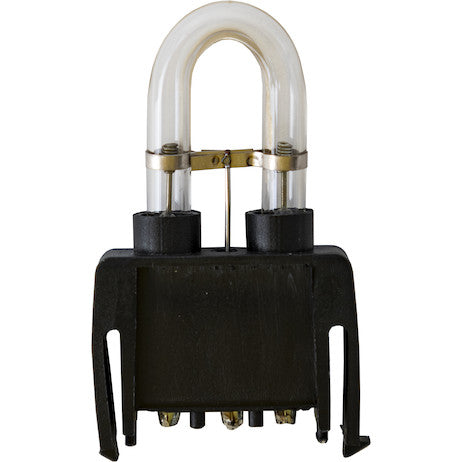
Replacement Flash Tube For 8 Joule Beacon Light SL640ALP and SL660A
Specifications
| For Use With | SL640ALP, SL660A |
|---|
The Replacement Flash Tube, specifically engineered for the 8 Joule Beacon Light models SL640ALP and SL660A, represents a critical component in maintaining the operational integrity and photometric performance of these essential warning lights. This technical description will delve into the characteristics, functionality, importance, and technical specifications surrounding this replacement part, providing a comprehensive understanding for engineers, maintenance personnel, and procurement specialists.
Introduction to Strobe Technology and Beacon Lights
Beacon lights, particularly those employing strobe technology, are vital safety devices used across a myriad of industries including aviation, marine, construction, emergency services, and industrial safety. Their primary function is to emit intense, short-duration flashes of light, designed to attract attention and convey warnings or status information over significant distances and in various environmental conditions. The efficacy of a strobe beacon light hinges critically on its flash tube, the component responsible for generating these high-intensity light pulses.
The 8 Joule Beacon Light System: SL640ALP and SL660A
The SL640ALP and SL660A models are robust 8 Joule beacon lights, signifying their energy output per flash. The "Joule" (J) is a unit of energy, and in the context of strobe lights, it quantifies the electrical energy discharged through the flash tube to produce a light pulse. An 8 Joule rating indicates a substantial energy discharge, translating to a powerful and highly visible flash, suitable for demanding applications where effective warning signaling is paramount. These models are designed for durability and reliable performance in environments that often require high-visibility signaling.
The Role of the Flash Tube
The flash tube, often a Xenon flash lamp, is the heart of any strobe light system. It is a gas-discharge lamp typically consisting of a sealed glass envelope (often quartz for UV applications or borosilicate for visible light) filled with a noble gas, predominantly Xenon. Two electrodes are sealed into the tube, and a third external trigger electrode or internal wire is often present. The principle of operation involves storing electrical energy in a capacitor and then discharging this energy across the electrodes of the flash tube. A high-voltage trigger pulse ionizes the Xenon gas, making it conductive, which then allows the main capacitor discharge to pass through the tube, exciting the Xenon atoms to a higher energy state. As these excited atoms return to their ground state, they emit a broad spectrum of intense light, appearing as a brief, brilliant flash.
Technical Characteristics of the Replacement Flash Tube
This replacement flash tube is specifically matched to the electrical and optical characteristics of the SL640ALP and SL660A beacon lights. Key technical characteristics include:
- Energy Rating Compatibility: Designed to handle the 8 Joule energy discharge per flash, ensuring consistent light output and preventing premature failure. The electrical impedance of the flash tube is carefully specified to match the power supply and capacitor discharge circuit of the SL640ALP/SL660A.
- Gas Composition: Primarily Xenon, chosen for its high efficiency in converting electrical energy into light across the visible spectrum, and its ability to produce very bright, short-duration flashes.
- Envelope Material: Typically borosilicate glass, which offers good optical transparency across the visible spectrum and sufficient thermal and mechanical robustness for the operating temperatures and pressures involved.
- Electrode Material and Design: Electrodes are usually made from materials like tungsten, which possess high melting points and excellent electrical conductivity, designed to withstand repeated high-current discharges without significant erosion. The electrode geometry is optimized for efficient ionization and discharge.
- Arc Length: The physical distance between the electrodes within the tube, which dictates the length of the plasma channel. This parameter is crucial for matching the optical requirements and light distribution pattern of the beacon's reflector and lens system.
- Trigger Voltage and Current Requirements: The flash tube requires a specific high-voltage pulse to initiate ionization. The replacement tube is designed to be compatible with the existing trigger circuit of the SL640ALP/SL660A models.
- Spectral Output: While Xenon produces a broad spectrum, the tube design and gas pressure are optimized for a spectral output that maximizes visibility and compliance with relevant safety standards, often appearing as a bright white or slightly blue-white flash.
- Flash Duration: The operational flash duration is typically in the microsecond range, ensuring a sharp, distinct visual signal that is highly effective at attracting attention.
- Operating Temperature Range: Designed to perform reliably across the specified operating temperature range of the SL640ALP and SL660A beacons, maintaining performance in adverse environmental conditions.
- Mounting and Electrical Connections: Precision-engineered for direct fitment and electrical compatibility with the SL640ALP and SL660A systems, ensuring straightforward replacement and secure connections.
Importance of a Genuine Replacement Part
Using a genuine, manufacturer-specified replacement flash tube is paramount for several reasons:
- Optimized Performance: A genuine flash tube is precisely engineered to match the electrical characteristics (e.g., capacitance, inductance, voltage) and optical design (e.g., reflector geometry, lens characteristics) of the SL640ALP and SL660A beacon lights. This ensures that the beacon operates at its intended photometric intensity, flash rate, and spectral output, thereby guaranteeing compliance with regulatory requirements (e.g., ICAO, FAA, marine standards) and optimal visibility.
- Longevity and Reliability: Non-genuine or incompatible flash tubes can lead to premature failure due to mismatched electrical loads, excessive thermal stress, or incorrect gas fill pressures. A genuine replacement ensures the specified operational lifespan of the flash tube and the overall beacon light system, reducing maintenance frequency and costs.
- Safety Compliance: Beacon lights are safety-critical devices. Any deviation from original specifications, such as reduced light output or altered flash characteristics, could compromise safety, especially in applications where effective warning signals are vital for preventing accidents.
- System Integrity: The flash tube is an integral part of a complex electrical circuit. An incorrect replacement can place undue stress on other components such as the power supply, capacitor, or trigger circuit, potentially leading to cascading failures or reduced lifespan of the entire beacon unit.
- Warranty Preservation: Using non-approved parts often voids the manufacturer's warranty for the beacon light system, placing the onus of future repairs or replacements entirely on the end-user.
Maintenance and Replacement Procedures
Replacement of the flash tube should only be performed by qualified personnel, adhering to strict safety protocols. Strobe light systems operate with high voltages (often several hundred volts up to kilovolts) and significant stored energy, which can be lethal if not handled correctly. Key considerations during replacement include:
- Power Disconnection: Always ensure the beacon light is completely disconnected from its power source and that all stored energy in capacitors has been safely discharged before commencing any work.
- Static Discharge Precautions: Modern electronic components are sensitive to electrostatic discharge (ESD). Appropriate ESD protection measures should be employed.
- Handling: Flash tubes, especially those with quartz envelopes, can be delicate. They should be handled by their bases or electrodes to avoid contamination of the glass surface (fingerprints can lead to hot spots and premature failure) and to prevent mechanical damage.
- Alignment: Correct alignment of the flash tube within the reflector assembly is critical for achieving the specified light distribution pattern and intensity.
- Electrical Connections: Ensure all electrical connections are secure and correctly made, following the manufacturer's wiring diagrams.
- Environmental Sealing: After replacement, ensure that all gaskets, seals, and covers are correctly reinstalled to maintain the beacon's ingress protection (IP) rating against dust and moisture.
Lifespan and End-of-Life Characteristics
The lifespan of a flash tube is typically rated in terms of the number of flashes or operating hours. For high-energy strobe lights like the 8 Joule beacons, the lifespan is primarily limited by electrode erosion and changes in the gas fill properties over time. As the tube approaches its end-of-life, common characteristics may include:
- Reduced Light Output: A noticeable decrease in flash intensity.
- Increased Trigger Voltage: The voltage required to initiate a flash may increase, potentially straining the trigger circuit.
- Erratic Flashing or Misfires: The tube may fail to flash consistently.
- Arc Wander: The plasma arc may become unstable, moving within the tube, which can affect light distribution.
- Darkening of the Envelope: Deposits from electrode erosion can accumulate on the inner surface of the glass envelope, reducing light transmission.
Proactive replacement based on recommended service intervals or observed performance degradation is recommended to ensure continuous safety and compliance.
Environmental Considerations
Modern flash tubes, while containing Xenon gas, are generally safe when intact. Disposal of spent flash tubes should adhere to local regulations for electronic waste, as they may contain trace amounts of hazardous materials or components. Manufacturers often provide guidelines for the environmentally responsible disposal or recycling of their products.
Conclusion
The Replacement Flash Tube for the 8 Joule Beacon Light models SL640ALP and SL660A is an essential, high-precision component crucial for the continued safe and effective operation of these warning lights. Its specific technical design ensures perfect compatibility with the beacon's electrical and optical systems, guaranteeing optimal light output, reliability, and regulatory compliance. The decision to use a genuine replacement part is not merely a matter of convenience but a critical factor in maintaining the integrity, performance, and safety of the entire beacon light system. Proper installation by qualified personnel, coupled with adherence to manufacturer guidelines, will ensure that the SL640ALP and SL660A beacons continue to deliver their vital warning function effectively throughout their operational life.