Specifications
| For Use With | Hydraulic valves |
|---|
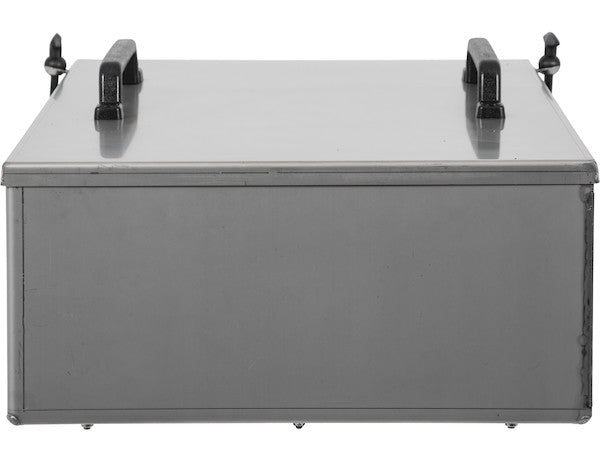
Advanced Stainless Steel Enclosures for Hydraulic Valve Systems
In industrial and commercial applications, the integrity and operational reliability of hydraulic valve systems are paramount. These critical components, responsible for controlling fluid power, are frequently exposed to demanding environmental conditions that can compromise their performance, longevity, and safety. The Stainless Steel Enclosure for Hydraulic Valves is engineered as a robust and sophisticated protective solution, meticulously designed to safeguard these vital hydraulic assets from a multitude of external threats, thereby ensuring uninterrupted operation, extending service life, and maintaining peak efficiency.
This enclosure represents a convergence of advanced material science, precision engineering, and practical functionality. Its core mission is to provide an impervious barrier against environmental aggressors such as moisture, dust, corrosive chemicals, abrasive particles, extreme temperatures, and mechanical impact. Furthermore, it offers a secure housing for sensitive control elements, cabling, and ancillary devices associated with hydraulic valve operation, consolidating components into an organized, protected, and accessible unit. By isolating hydraulic valves within a controlled micro-environment, this enclosure dramatically mitigates risks associated with contamination, accidental damage, and unauthorized tampering, which are common sources of system failure and costly downtime.
Material Excellence: The Advantages of Stainless Steel
The selection of stainless steel as the primary construction material is not arbitrary; it is a deliberate choice driven by its superior mechanical, chemical, and physical properties, which are exceptionally well-suited for the rigorous demands of industrial hydraulic applications. Typically, enclosures of this caliber utilize AISI 304, AISI 316, or AISI 316L grades of stainless steel, each offering distinct advantages depending on the specific operational environment.
Corrosion Resistance: This is arguably the most significant attribute of stainless steel. Unlike conventional carbon steel, stainless steel forms a passive chromium oxide layer on its surface, which self-repairs when scratched or damaged. This inherent passivity provides exceptional resistance to rust, oxidation, and chemical corrosion from a wide array of substances, including acids, alkalis, salts, and various industrial fluids. AISI 304 stainless steel offers excellent general corrosion resistance and is suitable for a broad spectrum of indoor and moderately corrosive outdoor environments. For applications in highly aggressive or chloride-rich settings, such as marine environments, chemical processing plants, or food and beverage facilities requiring frequent washdowns with harsh cleaning agents, AISI 316 and AISI 316L (low-carbon version of 316) are preferred. These grades contain molybdenum, which significantly enhances resistance to pitting and crevice corrosion, ensuring the enclosure's integrity over extended periods even under severe exposure.
Mechanical Strength and Durability: Stainless steel boasts high tensile strength and yield strength, providing superior structural rigidity and resistance to deformation under mechanical stresses, impacts, and vibrations. This inherent strength protects the delicate internal components from physical damage, contributing to the enclosure's long-term reliability in industrial settings where incidental contact or environmental forces are common. The robust construction ensures that the enclosure maintains its form and protective capabilities throughout its operational lifespan.
Hygiene and Cleanability: For industries with stringent sanitary requirements, such as food and beverage, pharmaceutical, and biotechnology, the non-porous and smooth surface of stainless steel is invaluable. It does not harbor bacteria, is easy to clean, and resists the adhesion of contaminants, making it ideal for environments where regular high-pressure washdowns and sanitization protocols are essential. Furthermore, electro-polished finishes can be applied to further enhance surface smoothness and cleanability, reducing surface area where microbes can accumulate.
Temperature Resistance: Stainless steel maintains its mechanical properties across a broad range of temperatures, from cryogenic to elevated heat levels. This stability ensures that the enclosure will not warp, crack, or degrade under typical industrial operating temperature fluctuations, safeguarding internal components from thermal stress.
Aesthetics and Maintainability: Beyond its functional benefits, stainless steel offers a professional and clean aesthetic that contributes to the overall appearance of an industrial facility. Its resistance to staining and discoloration, coupled with ease of cleaning, ensures that the enclosure maintains its pristine appearance with minimal maintenance.
Precision Engineering and Design for Optimal Protection
The design philosophy behind these stainless steel enclosures is centered on providing comprehensive protection while facilitating accessibility and ease of integration into existing systems. Several key design features contribute to their superior performance:
Ingress Protection (IP) and NEMA Ratings
A fundamental aspect of enclosure design is its ability to prevent the ingress of foreign matter. This capability is quantified by industry-standard ratings: the International Electrotechnical Commission's (IEC) Ingress Protection (IP) ratings and the National Electrical Manufacturers Association's (NEMA) ratings. For hydraulic valve enclosures, ratings such as IP66, IP67, NEMA 4, NEMA 4X, and NEMA 6 are commonly specified. An IP66 rating, for example, denotes complete protection against dust ingress and protection against powerful water jets from any direction. NEMA 4X signifies protection against windblown dust and rain, splashing water, hose-directed water, and corrosion, as well as providing an unbroken external mechanism for operation of internal equipment. These high ratings are achieved through meticulous construction, continuous welded seams, and advanced sealing technologies.
Robust Sealing Mechanisms
The efficacy of an enclosure's ingress protection largely depends on its sealing system. High-performance enclosures incorporate continuous poured-in-place polyurethane gaskets. This method creates a seamless, resilient, and durable seal that precisely fills the gap between the door and the enclosure body, forming an impenetrable barrier against liquids, dust, and airborne contaminants. The material properties of the gasket, often UV-stabilized and resistant to various chemicals, are critical for maintaining the seal's integrity over time. Furthermore, robust multi-point latching systems, frequently constructed from stainless steel themselves, exert uniform compression on the gasket, ensuring a consistent and tight seal across the entire door perimeter. Quarter-turn latches, key locks, and padlock provisions enhance security and tamper resistance.
Thermal Management Solutions
Hydraulic valves, especially proportional or servo valves with integrated electronics, can generate heat during operation. Additionally, ambient temperatures in industrial environments can fluctuate significantly. Effective thermal management within the enclosure is crucial to prevent overheating, which can degrade electronic components, shorten valve lifespan, and compromise system performance. Solutions include:
- Natural Convection: Well-designed enclosures facilitate natural airflow patterns, utilizing strategically placed vents with filters to allow heat dissipation while maintaining ingress protection.
- Forced Air Ventilation: Filtered fan systems can be integrated to actively circulate air, drawing cooler ambient air into the enclosure and expelling heated air.
- Air Conditioners/Heat Exchangers: For environments with high internal heat loads or extreme ambient temperatures, closed-loop cooling systems such as industrial air conditioners or air-to-air/air-to-water heat exchangers can maintain a precise internal temperature without compromising the sealed integrity of the enclosure. These systems are essential for sensitive electronic controls often housed alongside hydraulic valves.
- Heaters: In cold environments, internal heaters with thermostats can prevent condensation and maintain an optimal operating temperature for hydraulic fluids and electronic components, particularly important for systems that operate intermittently or are exposed to freezing conditions.
Cable and Conduit Management
Maintaining the integrity of the enclosure's protective barrier while accommodating electrical and hydraulic fluid connections is vital. Solutions typically include:
- Gland Plates: Removable bottom gland plates, often made of galvanized steel or stainless steel, allow for easy cable entry and exit. These plates can be drilled on-site to suit specific cable requirements and are sealed with gaskets to prevent ingress.
- Cable Glands: Individual cable glands provide a sealed entry point for each cable, preventing moisture and dust from entering while offering strain relief.
- Conduit Hubs: For applications requiring conduit systems, threaded conduit hubs or welded-on conduit fittings ensure a secure and sealed connection.
Internal cable management accessories like DIN rails, wire ducting, and cable tie mounts help organize wiring, reduce clutter, and simplify maintenance and troubleshooting.
Internal Mounting and Accessibility
Efficient organization of internal components is crucial for installation, maintenance, and future modifications. Enclosures typically feature internal mounting provisions such as:
- Mounting Panels: Full or partial back panels, often made of galvanized steel for cost-effectiveness or stainless steel for corrosive environments, provide a robust surface for mounting hydraulic manifolds, electrical components, terminals, and power supplies. These panels are typically removable for ease of component pre-assembly outside the enclosure.
- DIN Rails: Standardized DIN rails facilitate quick and modular installation of control relays, terminal blocks, power supplies, and other electrical components.
- Swing-Out Frames: For highly dense configurations, swing-out frames can be incorporated to allow multiple layers of components to be mounted and easily accessed.
Access to the internal components is facilitated by robust, fully removable hinged doors, often with a 120-degree or 180-degree opening angle for unhindered access. Some larger enclosures feature double doors for wider openings.
Applications and Operational Context
The versatility and robustness of stainless steel enclosures make them indispensable across a diverse range of industries where hydraulic valve systems are integral to operations. These applications span:
- Manufacturing and Automation: Protecting hydraulic valves on presses, injection molding machines, robotic cells, and material handling equipment from oils, coolants, metal dust, and impact.
- Oil and Gas (Upstream, Midstream, Downstream): Safeguarding hydraulic controls for wellhead equipment, subsea systems (via specialized subsea enclosures), pipeline actuators, and refinery processes from harsh chemicals, saltwater, and explosive atmospheres (requiring ATEX/IECEx certified enclosures).
- Marine and Offshore: Shielding hydraulic systems on ships, offshore platforms, and port equipment from corrosive saltwater spray, high humidity, and extreme weather conditions.
- Food and Beverage Processing: Housing valves for mixing, bottling, and packaging lines, where frequent high-pressure washdowns with aggressive cleaning agents demand hygienic and highly corrosion-resistant enclosures.
- Pharmaceutical and Biotechnology: Providing sterile and cleanable housing for hydraulic controls in cleanroom environments and process equipment, adhering to strict regulatory standards.
- Water and Wastewater Treatment: Protecting hydraulic valve actuators on pumps, filters, and gates from corrosive chemicals, humid environments, and outdoor exposure.
- Pulp and Paper Industry: Defending against corrosive chemicals, high humidity, and fibrous dust.
- Mobile Hydraulics: Custom-designed enclosures for hydraulic power units and valve banks on heavy machinery, construction equipment, and agricultural vehicles, protecting against vibration, impact, and outdoor elements.
In each of these contexts, the stainless steel enclosure acts as a critical interface, ensuring that the sensitive hydraulic valves and their associated controls are shielded from environmental stressors that could otherwise lead to premature failure, operational disruptions, or safety hazards.
Key Benefits Derived from Utilizing Specialized Enclosures
The implementation of a high-quality stainless steel enclosure for hydraulic valves yields a multitude of operational and economic benefits:
- Enhanced System Reliability: By protecting valves from contamination, moisture, and physical damage, the enclosure ensures consistent and predictable performance, significantly reducing the likelihood of unexpected failures and operational interruptions.
- Extended Component Lifespan: Isolation from harsh environments prevents premature wear and corrosion of hydraulic valves and electronic controls, thereby extending their operational life and reducing replacement costs.
- Improved Safety Standards: Enclosures safeguard personnel from potential hazards associated with hydraulic systems, such as high-pressure leaks, hot surfaces, and moving parts. They can also contain minor leaks, preventing slip hazards and environmental contamination. If internal electrical components are present, they provide an insulated barrier against electrical shock.
- Reduced Maintenance and Downtime: A protected system requires less frequent intervention for cleaning, repair, or replacement of damaged components, leading to lower maintenance costs and maximized operational uptime.
- Compliance with Industry Regulations: Properly rated enclosures help facilities meet stringent industry standards and safety regulations (e.g., NEMA, IP, UL, CE, ATEX/IECEx for hazardous locations), avoiding penalties and ensuring a safe working environment.
- Simplified System Integration: A well-designed enclosure offers a standardized and organized platform for integrating hydraulic valves with control electronics, wiring, and other ancillary equipment, simplifying installation and commissioning.
- Professional Aesthetics: A clean, well-organized enclosure contributes to a professional facility appearance, reflecting a commitment to quality and operational excellence.
Customization and Advanced Features
To meet the unique demands of specific applications, these stainless steel enclosures are often available with extensive customization options:
- Dimensions and Configuration: Custom sizing, wall-mount, floor-standing, freestanding, or modular designs.
- Material Thickness: Selection of stainless steel gauge to balance weight, cost, and required structural integrity.
- Surface Finishes: Brushed, polished, or electro-polished finishes for enhanced aesthetics, cleanability, or specific environmental resistance.
- Cutouts and Penetrations: Factory-specified cutouts for pushbuttons, indicator lights, HMI panels, and specialized cable entries, maintaining protective ratings.
- Viewing Windows: Polycarbonate or tempered glass viewing windows can be integrated to allow visual inspection of internal components without opening the door, enhancing security and maintaining environmental protection.
- Integrated Controls: Pre-installed control components such as circuit breakers, terminal blocks, power supplies, or PLC mounting provisions.
- Specialized Certifications: Enclosures can be designed and certified for hazardous (classified) locations, meeting standards like ATEX or IECEx for explosive gas or dust atmospheres, which is crucial in industries like oil & gas, chemical, and grain processing.
Installation and Longevity Considerations
Proper installation is crucial for maximizing the protective capabilities of the stainless steel enclosure. This includes ensuring secure mounting to a stable surface, proper sealing of all cable entries, and adherence to manufacturer guidelines for ventilation and internal component spacing. Regular, but minimal, maintenance—such as periodic inspection of gaskets, cleaning of external surfaces (especially in hygienic environments), and verification of latching mechanisms—will ensure the enclosure retains its high level of protection and extends the operational life of the enclosed hydraulic valves indefinitely.
In conclusion, the Stainless Steel Enclosure for Hydraulic Valves is an indispensable component in modern industrial infrastructure. It is more than just a box; it is a meticulously engineered protective system that leverages the inherent advantages of stainless steel combined with advanced design principles to deliver unparalleled reliability, safety, and longevity for critical hydraulic valve systems. By investing in such a robust enclosure, organizations can significantly enhance operational efficiency, reduce total cost of ownership, and ensure the continuous, safe, and effective performance of their hydraulic applications across the most challenging industrial landscapes.