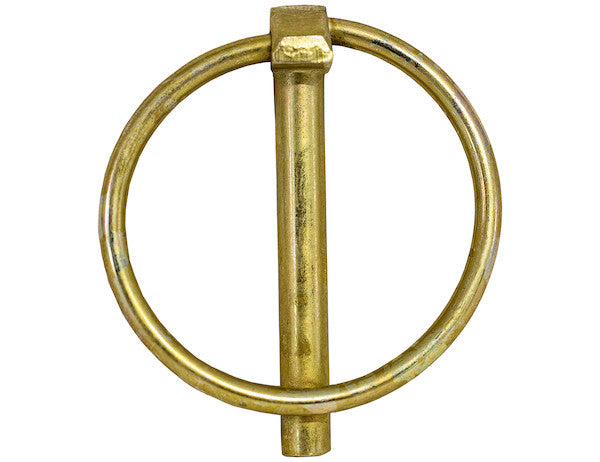
Buyers Products Linch Pin is ideal for utility trailers, cargo trailer doors and windows, and lawn equipment. The linch pin is yellow zinc-plated for corrosion resistance and is available in several sizes to fit your application.
Specifications
| (A) Pin Diameter in. | .25 |
|---|---|
| (B) Pin Length in. | 1.75 |
| (C) Useable Length in. | 1.51 |
| Finish | Zinc Plated Yellow |
| Material | Carbon Steel |
Technical Overview: Yellow Zinc Plated Linch Pin - 1/4" Diameter x 1-3/4" Length with Ring
The Linch Pin, a deceptively simple yet critically important mechanical fastening component, is engineered for reliable and quick securing of various assemblies. This specific model, measuring 1/4 inch in diameter and 1-3/4 inches in overall length, is distinguished by its robust carbon steel construction and enhanced yellow zinc plating. Designed to meet rigorous performance requirements across a spectrum of light to medium-duty applications, this linch pin offers a superior combination of structural integrity, corrosion resistance, and operational convenience.
Material Science: Carbon Steel Foundation
The selection of carbon steel as the base material for this linch pin is a deliberate engineering choice, balancing strength, ductility, and cost-effectiveness. Carbon steel, primarily an alloy of iron and carbon (typically up to 2.1% by weight), is widely favored in fastener manufacturing due to its versatile mechanical properties.
Composition and Properties
- Low to Medium Carbon Steel: Linch pins are typically manufactured from low to medium carbon steel grades (e.g., AISI 1010 to 1035). These grades offer an optimal balance of machinability and formability, which is crucial for the cold heading or machining processes used in pin production. The carbon content dictates the hardness and strength, with higher carbon leading to greater strength but reduced ductility. For linch pins, a balance ensuring sufficient toughness to resist shear forces without becoming brittle is paramount.
- Tensile Strength: Carbon steel provides excellent tensile strength, resisting forces that attempt to pull the pin apart. While linch pins primarily experience shear loads, inherent tensile strength contributes to overall structural integrity.
- Yield Strength: This property defines the maximum stress a material can withstand before permanent deformation occurs. A high yield strength ensures the pin retains its shape and functionality even under significant load, preventing bending or stretching that could compromise its securing capability.
- Ductility and Toughness: Despite its strength, carbon steel maintains sufficient ductility, allowing it to absorb energy and deform plastically before fracturing. This property is crucial in dynamic environments where the pin may experience sudden impacts or varying loads, preventing catastrophic brittle failure. Toughness is the material's ability to absorb energy and plastically deform without fracturing, a direct benefit in applications involving vibrations or cyclical stresses.
- Fatigue Resistance: Components subjected to repetitive loading cycles, such as those found in agricultural or trailer applications, require materials with good fatigue resistance. Properly selected carbon steel, especially when enhanced by surface treatments, exhibits commendable resistance to fatigue cracking.
The specific grade of carbon steel used ensures that the 1/4-inch diameter pin can withstand the intended shear forces, typically ranging from hundreds to over a thousand pounds, depending on the exact material properties and application specifics. This robust material choice forms the bedrock of the linch pin's reliable performance.
Corrosion Protection: Yellow Zinc Plating Process
The defining feature of this linch pin's surface treatment is its yellow zinc plating, a sophisticated finishing process engineered to provide superior corrosion resistance and enhanced durability. This multi-layered coating system significantly extends the lifespan of the carbon steel base material, especially in outdoor and moderately corrosive environments.
The Electroplating Process
- Zinc Application: The process begins with electroplating, where the carbon steel pin is immersed in a zinc-rich electrolyte solution. An electric current is passed through the solution, causing zinc ions to deposit evenly onto the pin's surface. This forms a sacrificial layer of pure zinc, which, being more electrochemically active than steel, will corrode preferentially when exposed to moisture and oxygen, protecting the underlying steel from rust.
- Chromate Conversion Coating: Following zinc plating, the component undergoes a chromate conversion treatment. This is where the characteristic "yellow" color is imparted. Yellow chromate coatings are typically derived from hexavalent chromium compounds, although increasingly, trivalent chromium processes are employed to comply with environmental regulations such as RoHS (Restriction of Hazardous Substances). This chromate layer reacts with the zinc to form a passive, gel-like film that significantly enhances the corrosion resistance beyond that of plain zinc. It acts as a barrier, preventing oxygen and moisture from reaching the zinc layer and dramatically slowing down the sacrificial corrosion process.
Advantages of Yellow Zinc Plating
- Enhanced Corrosion Resistance: Yellow zinc plating offers significantly better corrosion resistance compared to clear or blue bright zinc finishes. The chromate conversion layer provides a self-healing property, sealing minor scratches and extending protection. This makes the linch pin ideal for outdoor applications where exposure to rain, humidity, and road salts is common.
- Sacrificial Protection: Even if the coating is scratched or compromised, the underlying zinc continues to provide cathodic protection to the steel, sacrificing itself to prevent rust formation on the base metal.
- Aesthetic Identification: The distinctive yellow hue serves as a visual identifier, often indicating a higher level of corrosion protection compared to standard zinc finishes. It also makes the pin easily visible for quick identification and removal.
- Lubricity: The chromate layer can offer a slight degree of lubricity, which can aid in the smooth insertion and removal of the pin, reducing wear on both the pin and mating components.
While yellow zinc plating provides excellent protection for most applications, it is important to note its limitations in highly aggressive environments, such as prolonged saltwater immersion, where stainless steel or hot-dip galvanizing might be more suitable. For the intended applications of utility trailers, lawn equipment, and cargo doors, yellow zinc plating provides an optimal balance of protection, durability, and cost-effectiveness.
Precision Engineering and Design: Dimensions and Functionality
The design of the linch pin, particularly its precise dimensions and integrated ring mechanism, is crucial for its functionality, ease of use, and secure fastening capabilities. Each dimension specified plays a vital role in its intended application.
Critical Dimensions and Their Impact
- Pin Diameter (1/4 inch / 0.25 inches): This is the fundamental dimension determining compatibility. A 1/4-inch diameter is a common standard, designed to fit into holes with a nominal diameter of 0.250 to 0.260 inches. This ensures a snug fit without excessive play, minimizing wear and vibration-induced loosening. The precision manufacturing process maintains tight tolerances on this diameter to ensure universal compatibility with standard receiving holes in various machinery and equipment.
- Pin Length (1-3/4 inches / 1.75 inches): This refers to the overall length of the pin, from the tip to the underside of the head/collar. This length provides adequate reach through various thicknesses of materials or assemblies.
- Useable Length (1.51 inches): The usable length is the critical measurement representing the maximum thickness of material or the total stack-up that the pin can effectively secure. A usable length of 1.51 inches means this linch pin can securely pass through and fasten components with a combined thickness up to approximately 1.5 inches, while still allowing the ring mechanism to engage properly. This dimension is carefully calculated to accommodate common structural profiles and hinge components found in trailers, agricultural implements, and lawn equipment.
The Integrated Ring Mechanism
The distinctive ring at the head of the linch pin is not merely for aesthetics; it is an integral part of its quick-release and secure retention system.
- Spring-Loaded Action: The ring is typically made from spring steel wire, coiled and bent to create a positive locking action. When the pin is inserted, the ring snaps into place around the shaft of the pin or a specifically designed groove near the collar, preventing accidental withdrawal.
- Ease of Operation: The design allows for rapid insertion and removal without the need for additional tools. A simple pull on the ring releases the locking mechanism, making it highly convenient for applications requiring frequent setup and breakdown.
- Positive Retention: Unlike cotter pins that require bending and unbending, the linch pin's ring offers a consistently secure closure that resists vibrations and impacts. The tension of the spring steel ensures the ring maintains its position until deliberately disengaged.
- Head/Collar Design: The pin features a robust head or collar that serves two primary purposes: it provides a positive stop when the pin is fully inserted, preventing it from passing too far through the mating holes, and it provides a sturdy anchor point for the ring mechanism.
The tapered tip of the linch pin further aids in easy insertion, guiding the pin smoothly into misaligned or slightly burred holes, thereby reducing installation time and effort.
Expanded Applications and Operational Environments
The design and material specifications of this 1/4" diameter yellow zinc plated linch pin make it exceptionally versatile across a broad spectrum of industrial, agricultural, and recreational applications. Its primary function is to provide a reliable, easily removable, and reusable fastening solution.
Primary Applications:
-
Utility and Cargo Trailers:
- Ramp Security: Crucial for securing loading ramps in both transport and deployed positions, preventing movement and ensuring safety.
- Hitch Pin Security: While not typically a primary hitch pin, it can be used for securing safety chains or temporary attachments to trailer hitches.
- Door and Window Latches: Provides a secure, yet easily operable, locking mechanism for trailer doors, gates, and windows, protecting cargo.
- Axle and Wheel Components: Used to retain hubs, wheels, or other non-rotational components where quick removal is beneficial for maintenance.
-
Lawn and Garden Equipment:
- Mower Deck Adjustments: Essential for quickly changing cutting height settings on ride-on mowers and push mowers.
- Implement Attachments: Secures various towed or mounted implements to lawn tractors, such as aerators, spreaders, dethatchers, and utility carts.
- Handlebar and Control Linkages: Used to fasten adjustable handlebars or control linkages, allowing for quick customization or disassembly.
-
Agricultural Equipment (Light-Duty):
- Small Implement Fastening: Ideal for securing attachments on compact tractors, such as cultivators, plows, and disc harrows, where robust yet temporary fastening is required.
- Gate and Panel Security: Used in farm settings for securing livestock gates, temporary fencing panels, and equipment covers.
- PTO Shaft Retention (Secondary): Can serve as a secondary retainer for certain PTO shaft guards or implement connections, though not typically the primary securing pin for rotating shafts.
-
Industrial and Construction Environments:
- Temporary Fixtures and Jigs: Provides quick assembly and disassembly for manufacturing jigs, templates, and temporary alignment fixtures.
- Scaffolding and Work Platforms: Used to secure adjustable components, bracing, or access gates where rapid setup and relocation are necessary.
- Tool and Equipment Storage: Secures equipment compartments, toolboxes, and covers on job sites, providing both security and accessibility.
Operational Environments:
The yellow zinc plating ensures excellent performance in outdoor and moderately corrosive environments. This includes exposure to:
- Rain, snow, and humidity
- Varying temperatures, from sub-zero to elevated summer heat
- Mild chemical exposure, such as road salt and common agricultural chemicals (with proper cleaning)
- Vibration and light impact, common in mobile machinery and vehicles
While robust, direct and prolonged exposure to harsh marine environments (saltwater immersion) or highly acidic/alkaline chemicals may exceed the protective capabilities of yellow zinc plating over extended periods. For such extreme conditions, alternative materials like stainless steel would be recommended.
Performance Characteristics and Reliability
Beyond its material and finish, the intrinsic performance characteristics of this linch pin are critical for its reliability and the safety of the applications it serves.
Key Performance Metrics:
- Shear Strength: This is the most critical performance metric for a linch pin. Shear strength defines the maximum force the pin can withstand before breaking perpendicular to its axis. Given the 1/4-inch diameter carbon steel construction, this pin offers substantial shear resistance, making it suitable for applications where significant lateral forces are present. The pin's diameter directly influences its shear strength, with larger diameters generally providing greater resistance.
- Tensile Strength: Although less primary than shear, the pin's carbon steel material provides inherent tensile strength, which resists forces attempting to pull the pin along its axis. This is important for preventing stretching or necking down under load, which could compromise its fit or locking mechanism.
- Wear Resistance: The hardness of the carbon steel, coupled with the lubricity and protective qualities of the yellow zinc plating, provides good resistance to abrasive wear. This ensures that the pin maintains its dimensional integrity over repeated insertions and removals, preserving the fit within mating holes.
- Fatigue Resistance: In applications involving continuous vibration or cyclical loading, such as agricultural machinery or trailers on rough roads, fatigue resistance is paramount. The chosen carbon steel grade exhibits good fatigue properties, resisting the initiation and propagation of cracks under repetitive stress cycles.
- Corrosion Performance (Salt Spray Hours): Yellow zinc plating typically achieves 96 to 120 hours of salt spray resistance (to red rust, per ASTM B117) before significant base metal corrosion occurs. This industry standard provides a benchmark for its protective capabilities in corrosive atmospheres, confirming its suitability for outdoor applications.
- Temperature Stability: The carbon steel base material and zinc plating are stable across a wide operational temperature range, typically from -40°F to 250°F (-40°C to 120°C). Extreme high temperatures could degrade the chromate layer or affect the mechanical properties of the steel, but these temperatures are generally not encountered in the specified applications.
Reliability and Safety:
The inherent reliability of this linch pin stems from the combination of robust material, effective corrosion protection, and a simple, secure design. The positive locking action of the ring mechanism ensures that the pin remains in place during operation, preventing accidental disengagement that could lead to equipment failure, loss of cargo, or safety hazards. Regular quality control measures during manufacturing, including dimensional checks and coating thickness verification, ensure consistent product performance and reliability.
Installation, Maintenance, and Quality Assurance
The effective performance and longevity of the linch pin are also influenced by proper installation, minimal maintenance, and the robust quality assurance protocols applied during its manufacturing.
Installation Guidelines:
- Hole Alignment: Ensure that the receiving holes in the mating components are properly aligned. While the tapered tip of the linch pin aids in minor misalignment, gross misalignment can cause undue stress on the pin or damage the hole.
- Correct Fit: The 1/4-inch diameter pin is designed for nominal 1/4-inch holes. Avoid forcing the pin into undersized holes, which can damage the pin or the mating component. Likewise, avoid using it in oversized holes, which can lead to excessive play, wear, and potential disengagement under vibration.
- Positive Engagement: Always ensure the ring mechanism fully snaps into its locked position after inserting the pin. A visual and tactile check should confirm that the ring is securely seated, preventing accidental removal.
- Usable Length Consideration: Verify that the combined thickness of the components being fastened does not exceed the pin's 1.51-inch usable length. If the components are too thick, the ring will not be able to engage properly.
Maintenance Recommendations:
Linch pins are designed for minimal maintenance due to their robust construction and protective finish.
- Regular Inspection: Periodically inspect pins for signs of wear, bending, or corrosion. Pay close attention to the shank for deformation and the ring mechanism for loss of spring tension or damage.
- Cleaning: If exposed to mud, dirt, or corrosive substances like road salt, clean the pin with water and a mild detergent. Ensure it is dried thoroughly to prevent water entrapment that could accelerate corrosion.
- Lubrication (Optional): While generally not required, a light application of grease or a dry lubricant to the pin shank can facilitate smoother insertion and removal, especially in frequently adjusted applications. Avoid excessive lubrication that could attract dirt and debris.
- Replacement: Any pin showing significant signs of wear, deformation, or compromised corrosion protection should be replaced immediately to ensure continued safety and reliable operation.
Quality Assurance and Standards:
Manufacturing of this linch pin adheres to stringent quality control standards to ensure consistent dimensional accuracy, material integrity, and coating quality.
- Dimensional Tolerances: Products are manufactured to industry-accepted dimensional tolerances for fasteners, ensuring compatibility and interchangeability. This includes precise control over pin diameter, length, and the critical usable length.
- Material Certification: Raw carbon steel material is sourced from reputable suppliers and often comes with material certifications, verifying its chemical composition and mechanical properties.
- Coating Adherence and Thickness: The yellow zinc plating process is controlled to ensure optimal coating thickness and adhesion. Regular testing, such as salt spray testing (e.g., ASTM B117), is conducted to confirm the specified corrosion resistance performance.
- Functional Testing: The ring mechanism undergoes functional testing to ensure its spring tension and locking action are consistent and reliable over multiple cycles.
These comprehensive quality assurance measures ensure that each Yellow Zinc Plated Linch Pin meets the high standards expected for critical fastening components, providing peace of mind to the end-user.
Conclusion
The 1/4" Diameter x 1-3/4" Long Yellow Zinc Plated Linch Pin with Ring represents an expertly engineered fastening solution tailored for a diverse array of applications demanding both security and rapid configurability. Its foundation in high-quality carbon steel provides exceptional shear strength, yield resilience, and fatigue resistance, forming a durable core. This core is meticulously protected by an advanced yellow zinc plating, which not only delivers robust corrosion resistance in outdoor and challenging environments but also provides visual distinction and enhanced lubricity for smooth operation.
The precise dimensional specifications—including a 0.25-inch diameter for universal compatibility, a 1.75-inch overall length, and a crucial 1.51-inch usable length—ensure optimal fit and secure fastening across various material thicknesses. The integrated spring-loaded ring mechanism exemplifies smart design, offering intuitive, tool-free operation for quick engagement and disengagement while guaranteeing positive retention against vibration and accidental displacement.
From the demands of utility and cargo trailers, securing critical components and access points, to the rigorous requirements of lawn and light agricultural equipment for attaching implements and making adjustments, this linch pin stands as a testament to reliable performance. Its suitability extends to industrial settings for temporary fixtures and logistical solutions where efficiency and security are paramount. Supported by rigorous manufacturing standards and quality control, this linch pin is not merely a fastener but a critical component designed for sustained reliability, operational safety, and long-term value in any demanding application.