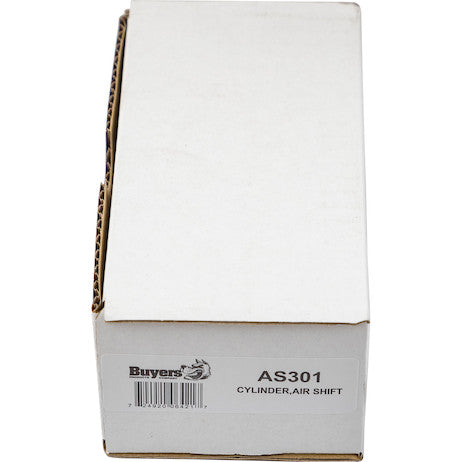
Buyers Products Air Shift Cylinder converts a manually controlled pump to pneumatic control. It comes complete with a pump activator cylinder and mounting hardware. The hydraulic pump air shift cylinder works on Commercial?? C101/C102, Buyers Products BPC1010, Muncie?? E Series, Permco?? DMD25/DM640, and Tyrone?? T101/T102.
Specifications
| For Use With | C1010 dump pumps |
|---|
Advanced Pneumatic Control for Hydraulic Systems: The Air Shift Cylinder
The Air Shift Cylinder for Hydraulic Pumps represents a critical advancement in modern hydraulic systems, designed to convert conventionally manual pump engagement mechanisms into sophisticated pneumatic control systems. This transformation significantly enhances operational precision, operator comfort, and overall system longevity, offering a robust and dependable interface between a vehicle's pneumatic system and its hydraulic power unit. Its engineering excellence ensures seamless integration and reliable performance in demanding applications, ultimately modernizing equipment and optimizing operational efficiency.
Fundamental Principles of Pneumatic Operation
At its core, the Air Shift Cylinder converts compressed air energy into precise mechanical linear motion. Hydraulic pumps, commonly found in heavy-duty applications such as dump trucks, refuse vehicles, and agricultural machinery, often employ a manual lever or shift mechanism to engage/disengage the pump's drive or control its output. This air shift cylinder directly replaces or augments that manual interface. When compressed air is supplied to the cylinder, it acts upon an internal piston, generating a linear force. This force is then transmitted via a rigid pushrod or an engineered kinematic linkage to the pump's shift fork or lever, actuating the desired change in the pump's state. Airflow to the cylinder is typically managed by an electric solenoid valve, allowing for remote, push-button, or automated operation via the vehicle's electrical control system. This pneumatic actuation provides faster, more consistent, and less effort-intensive engagement compared to manual methods, reducing wear on both the pump's shifting mechanism and the operator.
Engineering Design and Key Components
The Air Shift Cylinder's construction is meticulously engineered for maximum durability, reliability, and performance in harsh operational environments. Key components include:
Activator Cylinder: The central component, typically fabricated from high-grade aluminum alloys, is often anodized for superior corrosion resistance and a lightweight yet robust structure. Its internal bore is precision-honed to minimize friction and maximize sealing efficiency. The piston, made from engineered polymers or composite materials, is equipped with high-performance elastomeric seals (e.g., nitrile rubber, polyurethane) selected for resilience against temperature fluctuations, abrasive particles, and prolonged duty cycles. The piston rod, commonly hardened and chrome-plated steel or stainless steel, offers exceptional strength, wear resistance, and protection from environmental contaminants. Stroke length and bore diameter are optimized to deliver the necessary actuation force and displacement for various pump models.
Mounting Hardware: Included with the cylinder, the mounting hardware comprises custom-fabricated brackets, robust fasteners (often high-tensile steel), and an adjustable linkage or pushrod. This hardware is precisely designed to ensure secure, stable, and correctly aligned attachment to specific hydraulic pumps. Correct alignment is crucial to prevent binding, premature wear, or incomplete shifts within the pump mechanism. Components are selected for material strength, fatigue resistance, and ability to withstand vibrational stresses inherent in mobile equipment.
Air Input Port: The cylinder features a standardized threaded air input port (e.g., NPT or BSPT), enabling easy and leak-free connection to the vehicle's pneumatic system via standard air lines and fittings. Proper sealing at this interface is vital for maintaining system pressure and preventing performance degradation.
Return Mechanism: Many designs incorporate a spring-return mechanism, automatically defaulting the pump to an "off" or "neutral" position when air pressure is removed, providing a critical fail-safe. Double-acting cylinders, conversely, require air pressure for both engagement and disengagement, offering positive control in both states.
Advantages of Pneumatic Control Systems
Adopting an Air Shift Cylinder offers numerous significant advantages over traditional manual control:
- Enhanced Safety: Remote pneumatic actuation removes the operator from direct contact with moving parts and high-pressure lines, reducing injury risk. It also simplifies integration with vehicle safety interlocks and emergency stop systems.
- Increased Efficiency and Productivity: Pneumatic shifting is significantly faster and more consistent than manual methods, leading to quicker work cycles, reduced downtime, and improved overall productivity in applications requiring frequent pump engagement/disengagement.
- Improved Ergonomics and Operator Comfort: Eliminating strenuous manual lever manipulation reduces operator fatigue and stress during long shifts, contributing to a safer and more comfortable working environment.
- Seamless System Integration: The air shift cylinder integrates easily into existing vehicle pneumatic systems (e.g., air brakes, auxiliary air supply) and can be controlled via an electrical signal from a dashboard switch, joystick, or ECU, facilitating automation.
- Durability and Longevity: With fewer mechanical linkages exposed to manual wear and tear, the pneumatic cylinder and pump's shift mechanism often achieve extended service life. Consistent force application reduces shock loads.
- Precision and Consistency: Pneumatic actuation ensures a consistent shift force and stroke length, leading to more precise and repeatable pump engagement, crucial for applications demanding exact control.
- Remote Operation Capability: Essential for specialized applications or hazardous environments where direct operator proximity to the pump is impractical or unsafe.
Detailed Compatibility Analysis and Application Versatility
The Air Shift Cylinder's compatibility with prominent hydraulic pump models—Commercial C101/C102, Buyers Products BPC1010, Muncie E Series, Permco DMD25/DM640, and Tyrone T101/T102—highlights its versatility and adherence to industry standards. These pumps are widely recognized as robust gear or piston pumps commonly used in power take-off (PTO) applications across heavy-duty vehicles and industrial machinery, including the "C1010 dump pumps" prevalent in dump truck and trailer applications. Compatibility is achieved through a standardized design, as many of these pump series share common interface specifications for their manual shift mechanisms, including similar shift lever geometries, actuator mounting patterns, and required stroke lengths for full engagement and disengagement. The Air Shift Cylinder is engineered with an adaptable mounting footprint and an optimized stroke to effectively actuate these diverse pump models. This thoughtful design minimizes the need for custom fabrication during installation, ensuring a direct and efficient conversion from manual to pneumatic control, making it an ideal solution for fleet operators and equipment manufacturers seeking a reliable upgrade path.
Beyond dump trucks, the Air Shift Cylinder's application spectrum is extensive:
- Waste Management Vehicles: Refuse compactors, roll-off trucks.
- Construction Equipment: Cranes, excavators (for auxiliary functions), concrete mixers.
- Snow and Ice Control: Snowplows, salt and sand spreaders.
- Agricultural Machinery: Tractors with hydraulic implements, sprayers.
- Road Maintenance: Asphalt pavers, sweepers.
- Material Handling: Specialized industrial lifts.
Advanced Technical Specifications
A comprehensive understanding of the Air Shift Cylinder's technical specifications is crucial for engineers and procurement specialists:
- Operating Air Pressure Range: Typically 80-120 PSI (5.5-8.3 bar), aligning with common vehicle pneumatic systems.
- Actuation Force: Engineered to provide ample force, based on bore diameter and air pressure, to reliably overcome pump shift mechanism resistance across all compatible models.
- Stroke Length: Precisely controlled (typically 1.0-2.5 inches / 25-63 mm) for full pump engagement/disengagement without over-extension.
- Bore Diameter: Internal diameter (commonly 1.5-2.5 inches / 38-63 mm) directly influences maximum actuation force.
- Material Construction: Hard-anodized aluminum barrel; chrome-plated, induction-hardened steel piston rod; high-strength polymer or aluminum end caps; high-durability, low-friction elastomeric seals (e.g., polyurethane, NBR).
- Environmental Ratings: Typically IP65 or higher for dust and water jet protection. Operating temperature range commonly -40°F to +180°F (-40°C to +82°C).
- Fatigue Life: Designed for an extended operational life, often exceeding millions of cycles under rated load, ensuring long-term reliability.
- Mounting Configuration: Specific dimensions and patterns directly align with listed hydraulic pump mounting points for a bolt-on solution.
- Pneumatic Port Size: Standard NPT or BSPT threaded ports for universal connection.
Installation Best Practices and Maintenance Guidelines
Proper installation and routine maintenance are paramount for maximizing the Air Shift Cylinder's performance and lifespan:
Installation:
- Safety First: Depressurize and secure hydraulic/pneumatic systems (lockout/tag-out) before installation.
- Mechanical Mounting: Securely attach the cylinder to the hydraulic pump with supplied hardware, ensuring correct pushrod-to-shift lever alignment to prevent binding.
- Pneumatic Connections: Connect air supply from a filtered, regulated, and optionally lubricated source to the cylinder's input port. Use thread sealant. Install an in-line solenoid valve for remote control, minimizing air line length for fast response.
- Adjustment and Verification: Cycle the pump's shift lever (if possible) and then the cylinder with air pressure to verify full stroke engagement/disengagement without binding. Adjust linkages as needed.
- Leak Testing: Pressurize the pneumatic system and check all connections for air leaks using soapy water.
Maintenance:
- Regular Inspection: Periodically inspect the cylinder, piston rod, seals, and mounting hardware for wear, corrosion, damage, or looseness.
- Air Quality: Ensure the pneumatic system's air dryer and filter function correctly to provide clean, dry air, preventing seal degradation and internal corrosion.
- Lubrication: If specified or if an air line lubricator is used, ensure it is maintained with the recommended lubricant.
- Seal Replacement: Replace elastomeric seals as part of preventative maintenance or at the first sign of air leaks or sluggish operation.
- Troubleshooting: Address slow operation, incomplete shifts, or air leaks by checking pressure, flow, stroke adjustment, and seal integrity.
Safety and Regulatory Compliance
Operating any hydraulic or pneumatic system demands strict adherence to safety protocols. Users and installers must follow all manufacturer guidelines, industry best practices, and relevant local/national regulations. This includes ensuring pneumatic system pressure relief valves are functional, implementing proper lockout/tag-out procedures during maintenance, and adequately training personnel. While the Air Shift Cylinder is a component, its integration into a vehicle or industrial system must consider overall system compliance with standards such as FMVSS for vehicle applications or CE marking for European markets, where applicable. By enhancing control and reducing manual interaction, this cylinder positively contributes to the overall safety profile of the equipment it serves.
Conclusion
The Air Shift Cylinder for Hydraulic Pumps is an intelligent upgrade that brings modern control, enhanced safety, and superior efficiency to a wide array of hydraulic applications. By effectively converting manual pump control to precise pneumatic actuation, it empowers operators with seamless system management, reduces physical strain, and extends the operational life of critical equipment. Its broad compatibility with industry-standard pumps like Commercial C101/C102, Buyers Products BPC1010, Muncie E Series, Permco DMD25/DM640, and Tyrone T101/T102, coupled with robust engineering and easy integration, positions it as an indispensable solution for contemporary hydraulic systems. Investing in this pneumatic shift cylinder is an investment in reliability, productivity, and the future-proofing of heavy-duty machinery.