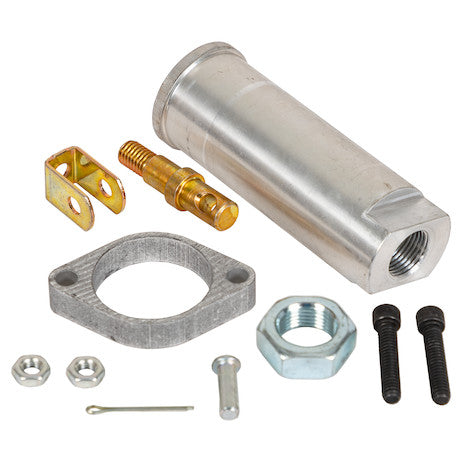
Buyers Products Remote Valve Cable Control Connection Kit connects a cable directly to the valve spool and is available for various makes of valves.
Specifications
| Compatible Controllers | B206 Series |
| Works With Valve Model Number | A20 Rear Entry |
| Works With Valve Brand | Commercial |
Enhancing Hydraulic System Control: A Deep Dive into the Commercial A20 Rear Entry Remote Valve Control Connection Kit
In the realm of hydraulic systems, precision, reliability, and ease of operation are paramount. The Commercial A20 Rear Entry Remote Valve Control Connection Kit from Buyers Products represents a critical component designed to optimize these very aspects. This comprehensive discussion will delve into the technical intricacies, functional benefits, application scenarios, and system integration considerations surrounding this essential connection kit. Understanding its design philosophy and operational implications is crucial for engineers, system integrators, and maintenance professionals aiming to achieve superior control in their hydraulic applications.
The Core Functionality: Bridging Control and Actuation
At its heart, the Remote Valve Cable Control Connection Kit serves as the indispensable mechanical linkage between a control input and the hydraulic valve spool. In hydraulic systems, the valve spool's position directly dictates the direction and flow rate of hydraulic fluid to an actuator (e.g., a cylinder or motor). Manual manipulation of this spool, especially in applications requiring remote operation or precise metering, can be impractical or even dangerous. This connection kit addresses that challenge by allowing a cable to transmit mechanical force from a remote controller to the valve spool, enabling operators to manage hydraulic functions from a safe and ergonomic distance.
Specifically designed for the Commercial A20 Rear Entry valve, this kit ensures a direct and efficient connection. The "rear entry" designation is crucial; it indicates the physical orientation and interface point on the valve itself, which the kit is meticulously engineered to mate with. This precision engineering eliminates the need for field modifications, ensuring a secure, leak-free, and optimally functioning connection right out of the box. The direct connection to the valve spool minimizes lost motion and hysteresis, providing a crisp and responsive control feel, which is vital in applications demanding fine control over hydraulic movements.
Technical Specifications and Compatibility: A Closer Look
The provided specifications offer key insights into the kit's design parameters and intended use:
- Compatible Controllers: B206 Series
- Works With Valve Model Number: A20 Rear Entry
- Works With Valve Brand: Commercial
This specificity is not merely descriptive; it reflects a deliberate engineering strategy. The B206 Series controllers are designed to provide the necessary mechanical advantage and ergonomic interface for controlling hydraulic valves. The synergy between the B206 Series controllers and this connection kit is critical. The mechanical travel, force requirements, and attachment points of the B206 controllers are precisely matched to the kit’s design, ensuring optimal performance and longevity of the entire control system. This integrated design approach simplifies installation and guarantees reliable operation, mitigating common issues associated with mismatched components.
The designation "Commercial A20 Rear Entry" for the valve model number and brand is equally important. Commercial is a well-respected manufacturer of hydraulic components, known for robust and reliable valves. The A20 series, in particular, is widely used in various mobile and industrial hydraulic applications due to its modularity and performance characteristics. The "rear entry" feature denotes a specific porting and spool configuration where the control mechanism is accessible from the rear of the valve body. This design choice influences the cable routing and the physical interface of the connection kit, which is precisely engineered to accommodate this configuration. Deviating from these specified components could lead to installation difficulties, reduced performance, or premature component failure.
Design and Engineering Principles: Ensuring Durability and Performance
The design of the Commercial A20 Rear Entry Remote Valve Control Connection Kit is driven by fundamental engineering principles aimed at maximizing durability, minimizing maintenance, and ensuring consistent performance in demanding environments. Key considerations include:
- Material Selection: Components are typically fabricated from robust materials such as high-strength steel or corrosion-resistant alloys. This selection ensures resilience against mechanical stresses, vibrations, and environmental factors like moisture, dust, and temperature fluctuations common in industrial and mobile applications. Surface treatments, such as zinc plating or powder coating, further enhance corrosion resistance and extend operational life.
- Precision Machining: The interfaces between the kit components and the valve spool are machined to tight tolerances. This precision minimizes backlash and ensures a smooth, consistent actuation of the spool, which is critical for accurate hydraulic control. Precise fitment also reduces wear on mating surfaces, contributing to the longevity of both the kit and the valve.
- Cable Interface Design: The mechanism for attaching the control cable to the kit is engineered for secure retention and efficient force transmission. This often involves clevis pins, threaded rod ends, or ball joint connectors, which allow for a degree of angular misalignment while maintaining a strong mechanical link. The design accommodates the bending radius and tensile strength requirements of typical control cables, preventing crimping or undue stress that could lead to cable failure.
- Environmental Sealing: Where applicable, the design incorporates features to protect internal components from ingress of contaminants. While the kit itself is an external connection, its interaction with the valve spool mechanism means that proper sealing and fitment contribute to the overall integrity of the hydraulic system, preventing dirt or moisture from compromising valve operation.
Benefits of Remote Valve Control
Implementing a remote valve control system, facilitated by this connection kit, offers a multitude of operational and safety benefits:
- Enhanced Operator Safety: By allowing operators to control hydraulic functions from a distance, exposure to moving machinery, high-pressure hydraulic lines, and noisy environments is significantly reduced. This is particularly crucial in applications involving heavy lifting, excavation, or industrial processes where direct interaction with machinery poses inherent risks.
- Improved Ergonomics and Comfort: Remote controls enable operators to work from a comfortable, often climate-controlled cabin or a safe vantage point. This reduces physical strain and fatigue, leading to increased productivity and reduced potential for repetitive strain injuries over long shifts.
- Increased Precision and Control: Modern remote control systems, especially when paired with a direct and responsive mechanical link like this kit, allow for finer modulation of hydraulic functions. This translates to more precise positioning of loads, smoother operation of attachments, and greater overall control over complex tasks.
- Versatile Mounting Options: The design flexibility of cable-controlled systems often allows the operator control station to be mounted in various locations within a vehicle or industrial setting, optimizing visibility and accessibility for specific tasks.
- Simplified Maintenance and Troubleshooting: While requiring occasional inspection, mechanical cable systems are generally simpler to diagnose and repair than complex electrical or electronic control systems. The direct mechanical linkage provides intuitive feedback and makes identifying issues straightforward.
Applications in Diverse Industries
The Commercial A20 Rear Entry Remote Valve Control Connection Kit finds extensive use across a broad spectrum of industries and equipment types where hydraulic power is employed. Its robust design and reliable performance make it suitable for demanding applications:
-
Mobile Equipment:
- Construction Machinery: Excavators, backhoes, bulldozers, wheel loaders often utilize remote cable controls for auxiliary functions or primary controls where space is limited for direct linkages.
- Agricultural Equipment: Tractors, combines, and other farm machinery use hydraulic controls for implements like plows, cultivators, and loaders.
- Utility Vehicles: Service trucks, dump trucks, and refuse vehicles rely on hydraulic systems for various functions, including crane operation, hoist control, and compaction mechanisms.
- Forestry Equipment: Log loaders, feller bunchers, and chippers demand precise hydraulic control for complex tasks.
-
Industrial Machinery:
- Material Handling: Forklifts, lift tables, and conveyor systems often incorporate hydraulic elements controlled remotely.
- Manufacturing and Automation: Presses, clamping systems, and assembly line equipment where hydraulic actuators are used.
- Marine Applications: Winches, steering gear, and deck machinery on boats and ships.
In each of these contexts, the kit’s ability to reliably transmit control inputs to the Commercial A20 Rear Entry valve is critical for the safe and efficient operation of the machinery.
Installation and Maintenance Considerations
Proper installation is paramount to ensuring the long-term reliability and optimal performance of the remote control system. While specific instructions would accompany the product, general best practices include:
- Cleanliness: Ensure all mating surfaces on the valve and kit components are clean and free of debris before assembly. Contaminants can impede proper fitment and lead to premature wear.
- Torque Specifications: Adhere strictly to manufacturer-recommended torque specifications for all fasteners. Overtightening can strip threads or damage components, while undertightening can lead to loose connections and operational issues.
- Cable Routing: Proper routing of the control cable is critical. Avoid sharp bends, points of abrasion, or areas where the cable could be pinched or subjected to excessive heat. Allow for natural cable flex during operation. The cable should be adequately supported along its run to prevent sagging or excessive movement.
- Adjustment: Once installed, the linkage may require adjustment to ensure full spool travel and proper neutral positioning. This typically involves adjusting the threaded rod ends or similar mechanisms to match the throw of the B206 Series controller with the required travel of the A20 valve spool.
- Regular Inspection: Periodic inspection of the connection kit, cable, and controller is essential. Check for signs of wear, corrosion, loose fasteners, or damage to the cable jacket. Lubricate moving parts as recommended by the manufacturer.
- Replacement: If any components of the connection kit show significant wear or damage, they should be replaced promptly to prevent catastrophic failure or degradation of control performance.
Integration with Hydraulic System Design
When designing a hydraulic system that incorporates this remote control kit, several factors must be considered to ensure optimal performance and longevity:
- Valve Selection: While this kit is specifically for the Commercial A20 Rear Entry valve, the overall selection of the A20 valve itself should align with the system's flow rate, pressure requirements, and desired control characteristics.
- Cable Length and Type: The length of the control cable must be appropriate for the distance between the operator station and the valve. The cable type (e.g., push-pull cable with specific core and conduit materials) should be chosen to withstand the operational environment and transmit force efficiently with minimal friction.
- Leverage and Mechanical Advantage: The B206 Series controller and the connection kit are designed to provide the correct mechanical advantage to actuate the A20 valve spool with a reasonable amount of force from the operator. It's crucial not to introduce additional linkages that could alter this intended mechanical ratio, leading to excessively stiff or sloppy controls.
- System Redundancy and Safety: In critical applications, consider incorporating safety features such as return-to-neutral mechanisms, emergency stops, or interlocks that integrate with the overall machine control system. While this kit provides the mechanical link, the broader safety architecture often involves electrical or electronic components.
- Environmental Protection: Ensure that the control station, cable, and valve assembly are adequately protected from environmental factors specific to the application, such as extreme temperatures, corrosive agents, or heavy vibration.
Conclusion: A Foundation for Reliable Hydraulic Control
The Commercial A20 Rear Entry Remote Valve Control Connection Kit is more than just a collection of parts; it is a precisely engineered solution that forms the backbone of reliable remote hydraulic control systems. Its dedicated design for the Commercial A20 Rear Entry valve and compatibility with B206 Series controllers underscore a commitment to seamless integration and optimal performance. By enabling operators to control hydraulic functions from a safe and ergonomic distance with precision and responsiveness, this kit contributes significantly to enhanced safety, improved productivity, and extended operational life of heavy machinery and industrial equipment. Understanding its technical specifications, design principles, application versatility, and maintenance requirements is essential for anyone seeking to implement or maintain robust hydraulic control systems, affirming its status as a critical component in modern hydraulic engineering.