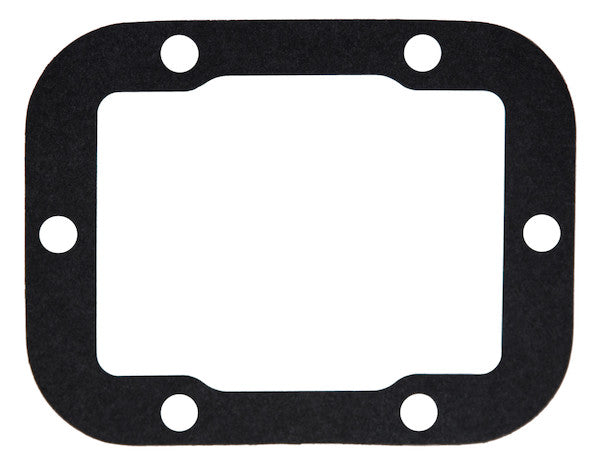
The 6 Hole Gasket from Buyers Products is ideal for mounting a Buyers Products PTO on your engine. The paper gasket is available in a .010 in. or .020 in. thickness or can be stacked to meet your needs. Note: Buyers Products PTOs can be custom-ordered for your specific vehicle and application. Contact Customer Service for assistance in selecting the correct PTO.
Specifications
| For Use With | 0.010 Inch Thick 6-Hole Gasket For 1000 Series |
|---|
The 0.010 Inch Thick 6-Hole Gasket for 1000 Series Hydraulic Pumps, offered by Buyers Products, represents a critical component in ensuring the integrity and optimal performance of hydraulic systems. Engineered for precision and durability, this gasket plays a pivotal role in the secure and leak-free mounting of hydraulic pumps, particularly within Power Take-Off (PTO) driven applications. Its design, material composition, and specific dimensions are meticulously chosen to meet the demanding operational parameters characteristic of commercial and industrial hydraulic circuits.
The Indispensable Role of Gaskets in Hydraulic Systems
In any fluid power system, the proper sealing of connections is paramount. Hydraulic systems operate under significant pressure, often involving highly specialized fluids that are both incompressible and capable of penetrating even the smallest gaps. A well-designed and correctly installed gasket is the primary defense against fluid leakage, which can lead to numerous detrimental consequences including:
- System Inefficiency: Leakage results in a loss of hydraulic power, requiring the pump to work harder to maintain desired pressure and flow rates, thereby increasing energy consumption and operational costs.
- Contamination: Leaks can introduce external contaminants (dirt, moisture, air) into the hydraulic fluid, leading to accelerated wear of components, fluid degradation, and potential system failure. Air ingress, specifically, can cause cavitation, which severely damages pumps and other hydraulic components.
- Environmental Hazards: Hydraulic fluid spills pose environmental risks, requiring costly clean-up and potentially violating regulatory standards.
- Safety Risks: High-pressure fluid leaks can be dangerous to personnel, potentially causing injection injuries or creating slippery surfaces.
- Component Damage: Chronic leakage or improper sealing can lead to premature failure of hydraulic pumps, motors, valves, and other associated equipment due to improper load distribution, vibration, or inadequate fluid delivery.
The 0.010 inch thick, 6-hole gasket is specifically engineered to counteract these issues by providing a robust, reliable seal at the critical interface between a 1000 Series hydraulic pump and its mounting surface, typically a Power Take-Off unit or an engine block adapter.
Technical Specifications and Material Science
Material Composition: Engineered Paper Gasket
The designation "paper gasket" in industrial contexts refers to a sophisticated class of non-asbestos fiber (NAF) materials, not ordinary paper. These materials typically comprise a blend of cellulose, aramid, or other synthetic fibers, bound together with elastomeric binders such as nitrile butadiene rubber (NBR), styrene-butadiene rubber (SBR), or chloroprene (neoprene). This specific composition imbues the gasket with properties essential for hydraulic applications:
- Conformability: The fibrous structure allows the gasket to conform effectively to minor irregularities on the mating flange surfaces, creating a tight seal even where perfect surface finishes are impractical.
- Compressibility and Recovery: The material is designed to compress under bolt load, filling the void between flanges. Importantly, it possesses sufficient elastic recovery to maintain sealing stress over time, even with minor flange movement or thermal cycling.
- Fluid Resistance: The elastomeric binders are selected to provide excellent resistance to common hydraulic fluids (e.g., mineral oil-based, synthetic-based), engine oils, coolants, and fuels. This ensures the gasket material does not degrade, swell excessively, or lose its sealing properties when exposed to these chemicals.
- Temperature Stability: While operating within the typical temperature range of hydraulic systems driven by PTOs, these engineered paper gaskets maintain their integrity and sealing characteristics.
- Cost-Effectiveness: Compared to certain metallic or highly specialized elastomer gaskets, engineered paper offers a highly effective and economical sealing solution for a broad range of hydraulic pump applications.
Precision Thickness: 0.010 Inches
The specified thickness of 0.010 inches is a critical engineering parameter. Gasket thickness profoundly influences the sealing performance and the overall mechanical integrity of the bolted joint. A precisely chosen thickness ensures:
- Optimal Compression: When bolt torque is applied, the 0.010-inch gasket compresses to a specific degree, achieving the necessary stress to fill microscopic voids on the flange surfaces without being over-compressed to the point of structural failure or extrusion.
- Maintaining Sealing Stress: The thin profile contributes to higher initial bolt stress transfer to the gasket, which, combined with the material's recovery properties, helps maintain a consistent sealing force over prolonged periods of operation.
- Minimizing Creep and Relaxation: Thinner gaskets tend to exhibit less creep (plastic deformation under constant load) and stress relaxation (loss of sealing force over time) compared to thicker ones made from similar materials, leading to more stable and long-lasting seals.
- Accommodation of Manufacturing Tolerances: The availability of different thicknesses (.010 in. and .020 in.) and the ability to stack them provides flexibility. Stacking can be crucial for accommodating slight variations in component manufacturing tolerances, adjusting shaft end play in certain pump/PTO configurations, or achieving specific spacing requirements that might impact gear mesh or bearing loads. This precision ensures that the hydraulic pump's internal clearances and alignments are maintained as designed.
6-Hole Configuration
The 6-hole pattern is indicative of a specific industry standard for mounting hydraulic pumps, particularly those designated as "1000 Series." This configuration ensures a robust and evenly distributed clamping force across the gasket's sealing surface. The precise alignment of these holes is crucial for ease of installation and for preventing any stresses or distortions that could compromise the seal. The design is likely optimized for compatibility with common SAE (Society of Automotive Engineers) or ISO (International Organization for Standardization) flange standards typically found in heavy-duty mobile equipment and industrial machinery.
Application Context: 1000 Series Hydraulic Pumps and PTO Systems
1000 Series Hydraulic Pumps
"1000 Series" typically refers to a class of hydraulic pumps, often gear pumps, though it can encompass piston or vane pumps depending on the manufacturer's nomenclature. These pumps are generally designed for medium-duty to heavy-duty applications, providing reliable hydraulic power for a wide range of functions such as:
- Dump truck hoists and tarp systems.
- Salt and sand spreaders.
- Snowplow and liftgate operations.
- Agricultural machinery attachments.
- Industrial power units and machinery.
The operating environment for these pumps often involves fluctuating pressures, varying fluid temperatures, and exposure to vibrations. The gasket must consistently perform under these dynamic conditions, preventing internal and external fluid transfer while maintaining system efficiency.
Integration with Power Take-Off (PTO) Systems
Power Take-Off units are mechanical devices that draw power from a vehicle's engine or transmission and transfer it to auxiliary equipment, most commonly hydraulic pumps. The PTO output shaft directly or indirectly drives the hydraulic pump's input shaft. The gasket described here is crucial for forming a hermetic seal at the interface where the hydraulic pump mounts to the PTO unit. This interface is subjected to significant mechanical stresses, including torsional loads from power transmission, radial loads from shaft misalignment (even minor), and continuous vibrations originating from the engine and vehicle operation. A properly specified gasket ensures that these forces do not compromise the seal, thereby preventing hydraulic fluid leaks at this vital connection point.
Installation Protocols and Best Practices for Optimal Performance
The efficacy and longevity of any gasket are not solely dependent on its material and design, but equally on correct installation. Adherence to best practices is paramount:
- Surface Preparation: Before installing the new gasket, both mating surfaces (pump flange and PTO/adapter flange) must be meticulously cleaned. All traces of old gasket material, sealants, oils, grease, paint, or corrosion must be removed. The surfaces should be perfectly flat, dry, and free from nicks, burrs, or scratches that could create leak paths.
- Gasket Orientation and Alignment: Ensure the 6-hole gasket is correctly oriented and aligned with all bolt holes and the central opening for the pump shaft. Misalignment can lead to pinching, tearing, or uneven compression of the gasket.
- Avoid Gasket Sealants: For most engineered paper gaskets, additional liquid or paste sealants are often unnecessary and can even be detrimental. They can interfere with the gasket's natural conformability and compressibility, potentially leading to premature failure. Consult pump or PTO manufacturer recommendations before using any supplementary sealants.
- Correct Bolt Torque: This is perhaps the most critical step. Bolts must be tightened to the manufacturer's specified torque values using a calibrated torque wrench. An incorrect torque (under-tightening) will result in insufficient sealing stress, leading to leaks. Over-tightening can crush the gasket, causing it to lose its resilience, extrude, or even crack, leading to immediate or eventual failure. A specific tightening sequence (e.g., crisscross pattern) should be followed to ensure even compression across the entire gasket surface.
- Retorquing: For fibrous gasket materials, a phenomenon known as "creep" or "relaxation" can occur where the gasket material settles over time, leading to a slight loss of bolt load. It is often recommended to retorque the bolts after an initial period of operation (e.g., 24 hours or after a few heat cycles) to maintain optimal sealing stress. Always refer to the specific pump and PTO manufacturer's guidelines.
Quality Assurance and Buyers Products' Commitment
As a product from Buyers Products, this 0.010 inch thick 6-hole gasket reflects a commitment to quality and engineering precision. Buyers Products is recognized for its extensive range of truck and trailer equipment, and components like this gasket are developed to integrate seamlessly with their broader product lines, particularly their PTO systems. The emphasis on offering custom-ordered PTOs for specific vehicle and application needs underscores the detailed engineering and compatibility considerations that extend to all accessory components, including gaskets. This ensures that when a customer selects a Buyers Products PTO, all associated mounting hardware, including this gasket, is designed to meet rigorous performance and durability standards, providing a complete, reliable system solution.
Benefits of a Precisely Engineered Gasket
Investing in a precisely engineered and correctly installed gasket like the 0.010 Inch Thick 6-Hole Gasket delivers significant long-term benefits:
- Extended Equipment Lifespan: Prevents fluid loss and contamination, which are major contributors to premature wear and failure of hydraulic pumps and other components.
- Reduced Maintenance and Downtime: Minimizes the need for frequent fluid top-offs, leak repairs, and component replacements, leading to lower operational costs and increased uptime.
- Optimized System Performance: Ensures that hydraulic pressure and flow are maintained as designed, maximizing the efficiency and power delivery of the PTO-driven system.
- Enhanced Safety: Eliminates dangerous fluid leaks, creating a safer working environment.
- Environmental Compliance: Helps prevent hydraulic fluid spills, supporting environmental responsibility and regulatory compliance.
Conclusion
The 0.010 Inch Thick 6-Hole Gasket for 1000 Series Hydraulic Pumps is far more than a simple spacer; it is a meticulously engineered sealing solution vital for the dependable operation of demanding hydraulic applications. Its high-quality engineered paper construction, precise 0.010-inch thickness, and robust 6-hole pattern are all optimized to provide a durable, leak-free seal under the specific pressures, temperatures, and dynamic stresses encountered in PTO-driven hydraulic systems. By selecting this precisely manufactured component and adhering to stringent installation protocols, operators can significantly enhance system reliability, extend equipment life, and safeguard against costly inefficiencies and environmental hazards. Buyers Products' commitment to providing such high-quality, application-specific components ensures that your hydraulic power systems operate at peak performance, embodying the foundational principle that even the smallest component is critical to the integrity of the whole.