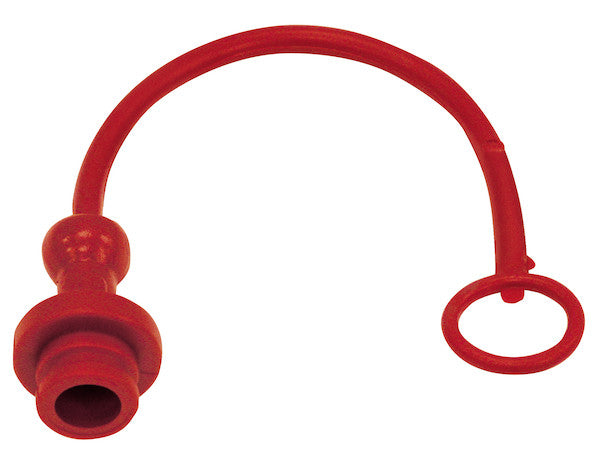
The Rubber Dust Plug from Buyers Products protects a quick coupler from harmful dirt and dust, keeping contaminants out of your hydraulic system when it is not in use.
Specifications
| Material | Rubber |
|---|---|
| Size | 0.500 |
In the demanding world of hydraulic systems, where operational integrity is directly correlated with system cleanliness, even the smallest components play an outsized role in overall reliability and longevity. The 1/2 Inch Rubber Dust Plug, while seemingly a simple accessory, stands as a critical first line of defense, meticulously engineered to safeguard quick couplers and prevent the ingress of harmful contaminants into sophisticated hydraulic circuits. This comprehensive technical overview explores the design principles, material science, and profound operational significance of this essential protective device, emphasizing its indispensable contribution to maintaining peak system performance, extending component lifespan, and mitigating costly failures across diverse industrial applications.
Modern hydraulic systems, whether deployed in heavy machinery, precision manufacturing, or mobile equipment, function by transmitting power through pressurized fluid. This hydraulic fluid not only conveys energy but also lubricates moving parts and dissipates heat. The efficiency and longevity of pumps, valves, cylinders, and motors are entirely dependent on the purity of this fluid. Quick couplers, designed for rapid and convenient connection and disconnection of hydraulic lines, are inherently vulnerable points. When disengaged, the open port of a quick coupler becomes a direct conduit for environmental debris, moisture, and particulate matter to enter the hydraulic system. This 1/2 Inch Rubber Dust Plug is precisely designed to mitigate this vulnerability, forming an impermeable seal that protects the delicate internal mechanisms of the coupler and, consequently, the entire fluid power system.
Hydraulic Contamination: The Silent Threat to System Integrity
The imperative for a robust dust plug stems from the pervasive and destructive nature of hydraulic contamination. Contaminants can be solid particles—such as dust, dirt, sand, metallic wear particles, fibers, and rubber fragments—or fluid contaminants, including water and air. Even microscopic particles, often invisible to the naked eye, pose a significant threat. Particles ranging from 5 to 10 microns in size are particularly damaging, as they are large enough to lodge within the tight tolerances and clearances (often as fine as 0.5 to 10 microns) of precision hydraulic components but small enough to bypass many conventional filtration systems during active operation.
The mechanisms by which contamination degrades a hydraulic system are varied and synergistic:
- Abrasive Wear: Hard particles trapped between moving surfaces (e.g., pump rotors, valve spools) act like sandpaper, grinding away material and altering critical clearances.
- Erosive Wear: High-velocity fluid carrying abrasive particles can physically erode surfaces, particularly in areas of turbulent flow or abrupt changes in direction.
- Fatigue Wear: Repeated stress on surfaces caused by the indentation of particles can lead to material fatigue and eventual pitting or spalling.
- Adhesive Wear: Metal-to-metal contact, exacerbated by a compromised lubricating film due to contamination, can cause microscopic particles to transfer between surfaces.
- Blocked Orifices and Filters: Fine particulate matter can accumulate, blocking small fluid passages in valves, actuators, and pilot lines, leading to erratic operation, pressure drops, and system failure. It also accelerates filter clogging, increasing maintenance costs and potentially forcing fluid bypass.
- Fluid Degradation: Water contamination can emulsify with hydraulic fluid, reducing its lubricating properties and accelerating oxidation, leading to sludge and varnish formation. Air ingress can cause cavitation and further accelerate fluid oxidation.
- Corrosion: Moisture, especially when combined with acidic byproducts of fluid degradation, can cause rust and corrosion on internal metallic surfaces, generating further wear particles.
The cumulative effect of these degradation mechanisms is a dramatic reduction in component lifespan, increased frequency of repairs, significant downtime, and soaring operational costs. A single incident of severe contamination can necessitate the premature replacement of expensive pumps, motors, or control valves. The 1/2 Inch Rubber Dust Plug serves as a primary, non-negotiable barrier against these destructive forces, ensuring that potential points of entry are sealed when the hydraulic system is not actively connected.
Engineering the Protection: The Rubber Advantage
The selection of "Rubber" as the material for this dust plug is a deliberate engineering choice, leveraging the unique elastomeric properties that are perfectly suited for this protective application. While specific polymer formulations can vary, the core characteristics of industrial-grade rubber are fundamental to the plug's effectiveness. Unlike rigid plastic or metallic caps, rubber offers a combination of flexibility, resilience, and sealing capability critical for dynamic environments.
Key properties meticulously engineered into the rubber material include:
- Flexibility and Conformity: The inherent elasticity of rubber allows the plug to conform precisely to the contours of the quick coupler's port, creating a tight, impermeable seal even if minor manufacturing tolerances exist. This flexibility also facilitates easy installation and removal without damaging the coupler.
- Durometer (Hardness): Measured on the Shore A scale, the rubber's hardness is optimized to provide both sufficient rigidity to maintain its shape and resist deformation, and enough pliability to ensure a secure, sealing fit. A correctly chosen durometer prevents the plug from becoming either too loose or excessively difficult to install.
- Tensile Strength and Tear Resistance: These properties ensure the plug can withstand the stresses of repeated handling, pulling, and environmental exposure without tearing, cracking, or breaking. High tear resistance is crucial for longevity in rugged industrial and outdoor settings.
- Compression Set Resistance: This refers to the material's ability to return to its original shape after being compressed over time. A low compression set is vital for the plug to maintain its sealing effectiveness over prolonged periods of use, preventing it from losing its snug fit and becoming a loose, ineffective barrier.
- Chemical Resistance: For hydraulic applications, the rubber compound must exhibit excellent resistance to petroleum-based hydraulic fluids, lubricating oils, and greases. This prevents material degradation such as swelling, softening, or hardening that would compromise its protective function and potentially contaminate the system it is meant to protect. Specific rubber types like Nitrile (Buna-N) are commonly selected for their superior oil compatibility.
- Temperature Stability: The plug must operate reliably across a broad range of environmental temperatures, from sub-zero conditions to elevated ambient heat. The rubber must retain its elasticity and protective qualities without becoming brittle in the cold or overly soft in the heat.
- Environmental Resistance: For outdoor equipment, resistance to UV radiation, ozone, and weathering is essential to prevent degradation, cracking, and premature aging of the material, ensuring long-term performance and durability.
The careful formulation and manufacturing process of the rubber for this 1/2 Inch Dust Plug ensure that these critical characteristics are balanced, providing a material that is not only robust and durable but also perfectly suited for its specific role as a hydraulic system protector.
Precision Sizing: The 1/2 Inch (0.500) Imperative
The "1/2 Inch" or "0.500" size specification is more than a simple dimension; it is a critical engineering parameter that dictates the plug's functional efficacy. Hydraulic quick couplers are manufactured to stringent industry standards (e.g., ISO 7241-1 series A and B, or ISO 16028 Flat Face), which define precise port diameters and tolerances. The 1/2 Inch Rubber Dust Plug is designed to perfectly correspond to these standardized dimensions, ensuring a precise and secure fit.
A plug that is even marginally undersized will fail to establish a hermetic seal, creating gaps through which dust, moisture, and other particulate matter can infiltrate the hydraulic system. Conversely, an oversized plug will be exceedingly difficult to install, potentially requiring excessive force that could damage either the plug itself or the coupler. The meticulous design and manufacturing of this plug ensure a reliable friction fit, where the rubber material slightly compresses upon installation to create a tight, positive seal. Internal design features, such as subtle ridges or a slight taper within the plug's bore, further enhance its grip on the coupler's spigot or within its receptacle, actively resisting dislodgement due to vibration, impact, or minor external forces. This precision sizing is fundamental to the plug's ability to act as a dependable, impenetrable barrier, maintaining the cleanliness of the hydraulic fluid and protecting the integrity of the quick coupler.
Functional Design and Operational Deployment
Beyond its material composition and precise sizing, the 1/2 Inch Rubber Dust Plug incorporates practical design elements that contribute to its overall effectiveness and user-friendliness:
- Comprehensive Sealing: The primary functional design objective is to fully enclose the exposed port of the quick coupler, creating an unbroken barrier against environmental elements. This completely isolates the vulnerable internal components of the coupler from the external environment.
- Ergonomic Engagement: Despite its secure fit, the plug is engineered for ease of installation and removal. Its flexible nature, often complemented by an external pull tab or a textured grip area, allows operators to quickly and securely apply or remove the plug without the need for specialized tools or excessive manual effort. This promotes consistent use and adherence to best practices.
- Robust Durability: The design considers the mechanical stresses inherent in its application. It is resistant to deformation under normal operational impacts, maintains its structural integrity across varying temperatures, and withstands repeated handling, ensuring long-term reliability in challenging environments.
- Visual Assurance: The presence of the dust plug provides an immediate visual cue that the hydraulic line is properly secured and protected, reinforcing a culture of preventative maintenance among personnel.
Applications Across Diverse Industries
The utility and necessity of the 1/2 Inch Rubber Dust Plug extend across a vast spectrum of industries where hydraulic power systems are integral to operations:
- Construction and Mining: Protecting quick couplers on excavators, loaders, bulldozers, and drilling rigs from abrasive dust, dirt, mud, and rock fragments in harsh, often severe operating environments.
- Agriculture: Safeguarding hydraulic lines on tractors, planters, harvesters, and irrigation equipment from soil, crop residue, fertilizers, and pesticide sprays, which can cause both physical damage and chemical degradation.
- Transportation and Logistics: Essential for hydraulic systems on tow trucks, snow plows, refuse vehicles, and utility trucks, which are routinely exposed to road grime, salt, moisture, and extreme weather conditions.
- Industrial Manufacturing: Protecting hydraulic connections on factory floor machinery, power units, and test stands from shop dust, metal shavings, cutting fluids, and coolant splashes.
- Marine Applications: Crucial for hydraulic steering, lifting, and propulsion systems on boats and ships, where protection against saltwater corrosion and marine debris is paramount for system longevity and safety.
- Forestry: Vital for equipment such as log splitters, forwarders, and feller bunchers, shielding hydraulic lines from wood chips, sap, and other forest debris.
In each of these demanding sectors, the plug functions as a cost-effective yet profoundly impactful insurance policy, directly contributing to increased uptime, reduced operational expenditures, and enhanced safety by preventing contamination-induced system failures.
Strategic Value and Enduring Benefits
Investing in the 1/2 Inch Rubber Dust Plug transcends simple component protection; it represents a strategic decision that yields substantial long-term benefits:
- Extended Component Lifespan: By consistently preventing the ingress of contaminants, the plug directly preserves the integrity of expensive hydraulic components, significantly extending their operational life and reducing the frequency of premature replacements for pumps, valves, and cylinders.
- Reduced Maintenance Costs and Downtime: Fewer component failures translate into less frequent and less extensive repairs. A cleaner system also reduces the load on filtration systems, potentially extending filter change intervals and lowering consumable costs. This directly translates to maximized uptime and enhanced productivity.
- Optimized System Performance: A contamination-free hydraulic fluid ensures that the system operates at its designed efficiency, delivering consistent power and response without the sluggishness, erratic behavior, or pressure drops caused by internal wear or blockages.
- Enhanced Safety and Compliance: A well-maintained, contamination-free hydraulic system is inherently safer, reducing the risk of component failures that could lead to sudden loss of control, dangerous fluid leaks, or other hazardous operational situations. Adherence to such preventative measures also aligns with industry best practices and safety standards.
- Environmental Stewardship: By extending the lifespan of hydraulic components and fluid, the demand for new parts manufacturing and the generation of waste fluid are reduced, contributing to more sustainable and environmentally responsible operations.
Installation, Inspection, and Longevity
The proper deployment of the 1/2 Inch Rubber Dust Plug is straightforward: simply press it firmly onto the exposed quick coupler port until a secure, snug fit is achieved. Removal is equally effortless, typically by pulling on an integrated tab or the edge of the plug. While robust, regular inspection of the dust plug itself is crucial. Over time, prolonged exposure to harsh UV radiation, ozone, extreme temperatures, or significant mechanical abrasion can lead to material hardening, cracking, or a loss of elasticity. Any plug exhibiting signs of wear, deformation, damage, or a compromised fit should be promptly replaced to ensure continuous and effective protection. Storing unused plugs in a clean, cool, and dark environment will help preserve their material integrity and extend their shelf life.
Conclusion
The 1/2 Inch Rubber Dust Plug, though modest in size and cost, represents a fundamental and indispensable element in comprehensive hydraulic system management. In environments where high-stakes operations depend on the unwavering performance of fluid power systems, this meticulously engineered rubber component serves as a critical guardian. It forms the primary defense against the relentless assault of environmental contaminants, thereby safeguarding the purity of the hydraulic fluid, preserving expensive internal components, and ultimately ensuring the reliability, efficiency, and longevity of the entire hydraulic circuit. Its technical design, precise material selection, and accurate sizing collectively underscore its profound importance as an essential tool for securing operational continuity and mitigating both maintenance complexities and financial risks in any hydraulic application.