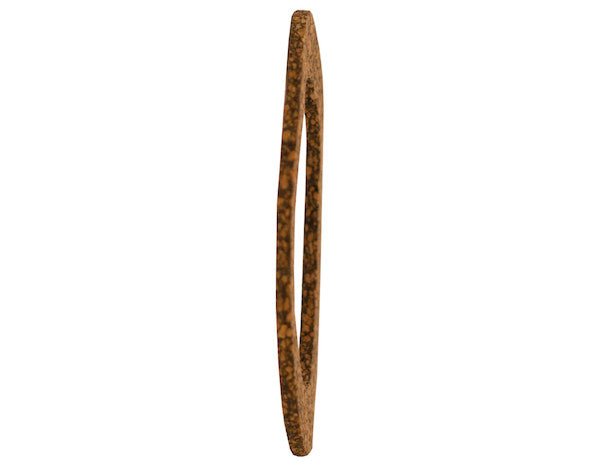
Buyers Products Cap Gasket for use with the TFA005715, TFA005715L, and BC40 Filler-Strainer Breather Cap Assemblies.
Specifications
| For Use With | TFA005715 |
|---|
Technical Overview: Replacement Cap Gasket for Chrome Filler-Strainer Breather Cap Assemblies
This document provides a comprehensive technical overview of the Replacement Cap Gasket, specifically designed for seamless integration with Buyers Products Chrome Filler-Strainer Breather Cap Assemblies, models TFA005715, TFA005715L, and BC40. The primary function of this gasket is to ensure a secure, leak-proof seal between the filler-strainer breather cap and its corresponding reservoir opening, a critical component for maintaining system integrity and operational efficiency in various hydraulic, fuel, and lubrication systems.
1. Introduction to Breather Cap Assemblies and Gasket Functionality
Filler-strainer breather cap assemblies are essential components in a wide range of industrial and mobile hydraulic, fuel, and lubrication systems. Their multi-faceted design typically incorporates a filler neck for fluid replenishment, an internal strainer to prevent contaminants from entering the reservoir during filling, and a breather mechanism to allow for air exchange. This air exchange is crucial for accommodating fluid volume changes due to temperature fluctuations and hydraulic cylinder movement, preventing vacuum formation or over-pressurization within the reservoir. The chrome finish often indicates a high-quality, durable, and aesthetically pleasing component, resistant to corrosion and suitable for demanding environments.
The cap gasket, while seemingly a simple component, plays a pivotal role in the overall functionality and longevity of these assemblies. Its fundamental purpose is to create a hermetic seal, preventing the ingress of environmental contaminants such as dust, dirt, moisture, and debris into the fluid reservoir. Simultaneously, it prevents the egress of the system fluid, which could lead to contamination of the surrounding environment, loss of hydraulic efficiency, and potential safety hazards. A properly functioning gasket ensures that the breather element remains effective by isolating it from external particulate matter, thereby extending the life of both the fluid and the system components.
2. Material Science and Engineering of the Gasket
The performance and durability of the replacement cap gasket are largely determined by its material composition. While the specific material is not explicitly stated, common engineering practices for such applications dictate the use of elastomers chosen for their specific properties, including resistance to petroleum-based fluids, temperature stability, and compression set characteristics. Potential materials include Nitrile Butadiene Rubber (NBR), commonly known as Buna-N; Ethylene Propylene Diene Monomer (EPDM); or Fluoroelastomers (FKM/Viton®).
- Nitrile Butadiene Rubber (NBR / Buna-N): NBR is a highly favored elastomer for hydraulic and fuel system gaskets due to its excellent resistance to oils, greases, and non-polar solvents. It offers a good balance of mechanical properties, including tensile strength, abrasion resistance, and compression set. NBR formulations can be tailored for various temperature ranges, making them versatile for many industrial applications. Its moderate cost also contributes to its widespread use.
- Ethylene Propylene Diene Monomer (EPDM): EPDM offers superior resistance to weathering, ozone, and steam. While it performs exceptionally well with water-based fluids and some automotive applications, its resistance to petroleum-based fluids is generally poor. Therefore, EPDM would typically be less suitable for hydraulic oil or fuel system applications unless specifically formulated for such.
- Fluoroelastomers (FKM / Viton®): For higher temperature applications, or those involving aggressive chemicals and synthetic lubricants, FKM provides exceptional resistance to heat, chemicals, and oils. Its mechanical properties are retained over a very wide temperature range. However, FKM is typically more expensive than NBR, making it a choice for applications where its superior properties are critically required.
The selection of the appropriate material is paramount to ensuring the gasket’s longevity and sealing effectiveness under operational conditions. Factors considered include the type of hydraulic fluid or fuel, the operating temperature range, the presence of specific additives, and the environmental conditions the equipment operates in.
3. Design and Manufacturing Precision
The replacement cap gasket is engineered for a precise fit with the specified Buyers Products Filler-Strainer Breather Cap Assemblies (TFA005715, TFA005715L, and BC40). This precision is critical for establishing and maintaining a reliable seal. Key design considerations include:
- Dimensional Accuracy: The outer diameter, inner diameter, and thickness of the gasket must adhere to strict tolerances to ensure proper compression when the cap is fastened. Deviations can lead to inadequate sealing or over-compression, both of which compromise seal integrity.
- Cross-Sectional Profile: Gaskets can have various cross-sectional profiles (e.g., O-ring, flat, custom-molded). The specific profile is chosen to optimize sealing against the mating surfaces of the cap and the reservoir neck. A well-designed profile ensures even pressure distribution and minimizes stress concentrations.
- Surface Finish: The surface finish of the gasket material, as well as the mating surfaces, influences sealing performance. A smoother finish can reduce leak paths, although some texture might be beneficial for certain materials to promote a better grip and prevent slippage.
- Compression Set Resistance: Over time and under continuous compression, gaskets can permanently deform, losing their ability to rebound and maintain sealing force. Materials with low compression set resistance are crucial for ensuring long-term sealing performance, particularly in applications where the cap may be infrequently opened.
Manufacturing processes for these gaskets typically involve compression molding, injection molding, or die-cutting from sheet stock, depending on the material and complexity. Quality control measures, including dimensional checks and material property verification, are essential to ensure each gasket meets the design specifications and performs reliably in the field.
4. Compatibility and Application Specifics
The explicit mention of compatibility with Buyers Products models TFA005715, TFA005715L, and BC40 underscores the importance of precise fitment and material suitability for these specific assemblies. These caps are commonly found in:
- Mobile Hydraulic Systems: Construction equipment, agricultural machinery, refuse vehicles, utility trucks, and other heavy-duty mobile applications. In these environments, exposure to dust, moisture, vibrations, and temperature extremes is common, making a robust sealing solution indispensable.
- Industrial Hydraulic Power Units: Manufacturing facilities, automation systems, and various static hydraulic systems where fluid cleanliness and system integrity are paramount for uninterrupted operation.
- Fuel Tanks: Some applications may utilize similar filler-strainer assemblies for fuel tanks, where the gasket must also exhibit resistance to various fuel types (diesel, gasoline) and their additives.
- Lubrication Systems: Gearboxes, sumps, and other enclosed lubrication systems requiring contamination control and venting.
The TFA005715 and TFA005715L likely denote variations of a core design, potentially differing in finish (e.g., L for "Locking" or a specific material variant), while BC40 suggests another related series. The consistent gasket across these models implies a standardized sealing interface, simplifying maintenance and part inventory management.
5. Installation and Maintenance Considerations
Proper installation of the replacement cap gasket is critical for achieving the intended seal. Key considerations include:
- Surface Preparation: Before installing the new gasket, the mating surfaces on both the cap and the reservoir neck should be thoroughly cleaned to remove any old gasket material, dirt, grease, or corrosion. A clean, smooth surface is essential for optimal sealing.
- Gasket Orientation: If the gasket has a specific profile or orientation, it must be installed correctly. Improper orientation can lead to premature failure or an inadequate seal.
- Torque Specification: When tightening the filler cap, it is important to adhere to the manufacturer's recommended torque specifications. Over-tightening can deform the gasket excessively, leading to accelerated compression set and failure. Under-tightening can result in an insufficient seal.
- Lubrication (Optional): In some cases, a light coat of a compatible lubricant (e.g., silicone grease for NBR, or a fluid-compatible hydraulic oil) can aid in installation and improve the initial seal, particularly for O-rings. However, care must be taken to ensure the lubricant is compatible with both the gasket material and the system fluid.
Regular inspection of the cap gasket during routine maintenance checks is recommended. Signs of wear, such as cracking, hardening, softening, swelling, or visible flattening, indicate the need for replacement. A degraded gasket can compromise fluid cleanliness, introduce air into the system (leading to cavitation), or cause fluid leaks, all of which can lead to costly equipment downtime and repairs.
6. Importance of Genuine Replacement Parts
Utilizing genuine or manufacturer-approved replacement gaskets is highly recommended. Generic or non-specified gaskets may not meet the stringent material specifications, dimensional tolerances, or quality control standards required for optimal performance. Using non-approved parts can lead to:
- Premature Failure: Incorrect material choice can lead to chemical degradation, thermal cycling failure, or inadequate mechanical properties.
- Poor Sealing: Incorrect dimensions or profile can result in leaks, contaminant ingress, or inefficient breathing.
- System Damage: Leaks can lead to fluid loss, environmental contamination, and potential safety hazards. Contaminant ingress can damage sensitive hydraulic components, leading to accelerated wear and system failure.
- Warranty Voidance: Use of non-OEM parts may void existing product warranties.
The replacement cap gasket ensures that the original equipment manufacturer's design intent for sealing and contaminant control is maintained, thereby protecting the overall integrity and performance of the hydraulic or fuel system.
7. Environmental and Safety Considerations
From an environmental perspective, a properly sealed filler-strainer breather cap assembly, facilitated by a high-quality gasket, prevents the escape of hydraulic fluid or fuel into the environment. This is crucial for preventing soil and water contamination, which is a significant concern in industrial and mobile operations. Compliance with environmental regulations often necessitates effective spill prevention and containment, where a reliable seal plays a foundational role.
Safety is also enhanced. Preventing leaks reduces slip hazards on equipment and work surfaces. In fuel systems, it minimizes fire risks. By maintaining system cleanliness, the gasket indirectly contributes to the reliable operation of machinery, reducing unexpected breakdowns that could pose safety risks to operators and maintenance personnel.
8. Conclusion
The Replacement Cap Gasket for Chrome Filler-Strainer Breather Cap Assemblies (TFA005715, TFA005715L, and BC40) is a critical, precision-engineered component designed to uphold the integrity and efficiency of hydraulic, fuel, and lubrication systems. Its robust design, informed by careful material selection and manufacturing precision, ensures a reliable, leak-proof seal that prevents contaminant ingress and fluid egress. By understanding its technical specifications, compatibility, and the importance of proper installation and maintenance, operators and maintenance professionals can ensure the longevity and optimal performance of their equipment, safeguard environmental standards, and enhance operational safety. Investing in genuine, high-quality replacement gaskets is not merely a maintenance task but a strategic decision to protect valuable assets and maintain operational excellence.