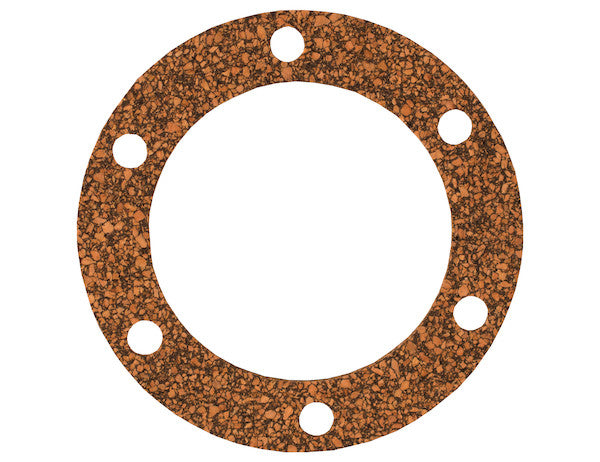
Buyers Products Basket Gasket for use with the TFA005715, TFA005715L, and BC40 Filler-Strainer Breather Cap Assemblies.
Specifications
| For Use With | TFA005715 |
|---|
Comprehensive Technical Overview: Replacement Basket Gasket for Chrome Filler-Strainer Breather Cap Assemblies
This technical description provides an in-depth analysis of the Replacement Basket Gasket, specifically designed for use with Buyers Products Chrome Filler-Strainer Breather Cap Assemblies, models TFA005715, TFA005715L, and BC40. Understanding the critical role of this seemingly minor component is essential for maintaining the optimal performance, longevity, and safety of hydraulic reservoirs, fuel tanks, and other fluid containment systems in a wide array of industrial and mobile applications.
Introduction to Filler-Strainer Breather Cap Assemblies
Filler-strainer breather cap assemblies are vital components in various fluid systems, primarily designed to facilitate fluid filling while preventing contaminants from entering the reservoir, and to allow for air exchange to equalize pressure. They typically comprise several key elements: a cap for sealing and access, a strainer basket for filtration during filling, and a breather mechanism to permit atmospheric air exchange while filtering airborne particulates. The integrity of the seal between the cap and the reservoir opening, and between the strainer basket and the cap assembly, is paramount for the system's overall effectiveness. This is where the basket gasket plays a crucial, though often overlooked, role.
The Role and Importance of the Basket Gasket
The basket gasket, as indicated by its name, is specifically designed to create a seal for the strainer basket within the filler-strainer breather cap assembly. Its primary functions are multi-faceted:
- Contaminant Exclusion: The most critical function is to prevent unfiltered air and environmental contaminants (dust, debris, moisture) from bypassing the breather filter element and the strainer basket. An ineffective seal can allow particulates to enter the fluid reservoir, leading to accelerated wear of hydraulic components, degradation of fluid quality, and potential system failure.
- Fluid Containment: While the primary cap gasket seals the entire assembly to the tank, the basket gasket ensures that any fluid splash-back or minor internal pressure fluctuations do not force fluid past the strainer basket and into the breather mechanism, or out of the assembly itself, maintaining a clean operational environment.
- Structural Stability of the Strainer: The gasket can also contribute to the secure positioning of the strainer basket within the cap assembly, reducing vibration and potential damage to the strainer mesh during operation or filling.
- Prevention of Air Bypass (Breather Function): By sealing the basket effectively, the gasket ensures that all air entering or exiting the reservoir through the breather function is properly routed through the breather filter element. If air bypasses this critical filtration step, airborne contaminants directly enter the fluid system, compromising its cleanliness and operational integrity.
Material Science and Design Considerations
The performance and longevity of a gasket are fundamentally tied to its material composition and design. While the specific material for this replacement basket gasket is not explicitly stated in the brief description, several engineering principles dictate the choice of materials for such applications:
- Elastomeric Properties: Gaskets are typically made from elastomeric materials that possess excellent compression set resistance, flexibility, and resilience. This allows the gasket to conform to the mating surfaces, fill microscopic irregularities, and maintain a seal even under varying pressures and temperatures.
- Fluid Compatibility: The material must be chemically compatible with the fluids it might come into contact with, such as hydraulic oil, diesel fuel, or other industrial lubricants. Incompatibility can lead to swelling, shrinking, hardening, softening, or chemical degradation of the gasket, resulting in seal failure. Common materials include NBR (Nitrile Butadiene Rubber), FKM (Fluoroelastomer), EPDM (Ethylene Propylene Diene Monomer), or specific blends optimized for petroleum-based fluids. NBR is a highly common choice for hydraulic and fuel systems due to its excellent resistance to oils and fuels.
- Temperature Range: The operating environment dictates the required temperature resistance of the gasket material. Industrial and mobile equipment often operates in extreme conditions, requiring materials that can withstand both high and low temperatures without losing their sealing properties.
- Durability and Abrasion Resistance: Given its location, the gasket might be subjected to minor abrasion during installation, removal, or even due to fine particulate ingress. The material should offer sufficient durability.
- Ozone and UV Resistance: For components exposed to the atmosphere, resistance to ozone and UV radiation is important to prevent material degradation over time.
The design of the basket gasket is typically a custom molded profile or a die-cut flat ring, specifically engineered to mate with the unique contours of the Buyers Products TFA005715, TFA005715L, and BC40 cap assemblies and their respective strainer baskets. Precision manufacturing ensures a consistent cross-section and dimensional accuracy for a reliable seal.
Compatibility and Specific Applications
The specified compatibility with Buyers Products models TFA005715, TFA005715L, and BC40 is critical. These models are commonly deployed in:
- Hydraulic Power Units: In construction equipment, agricultural machinery, material handling equipment, and industrial hydraulic systems, these caps are used on hydraulic reservoirs to ensure clean fluid and proper air exchange.
- Fuel Tanks: For diesel engines in heavy-duty trucks, off-road vehicles, and generator sets, filler caps with strainers are essential for preventing debris from entering the fuel system during refueling.
- Industrial Fluid Reservoirs: Other applications include lubrication systems, coolant reservoirs, and various industrial tanks requiring filtered filling and atmospheric venting.
The TFA005715 and TFA005715L designations likely refer to standard and possibly locking (L) versions of the same core filler-strainer breather cap assembly, indicating a high degree of commonality in their internal components, including the basket gasket. The BC40 designation further confirms the broad applicability within Buyers Products' range of filler caps.
Technical Specifications and Installation
While the detailed dimensions and material specifics are not provided in the brief description, a high-quality replacement gasket will adhere to stringent manufacturing tolerances to ensure a perfect fit. Key specifications, if available, would typically include:
- Inside Diameter (ID): To fit snugly around the base of the strainer basket.
- Outside Diameter (OD): To interface correctly with the recess in the cap assembly.
- Cross-Sectional Diameter or Thickness: Critical for achieving the correct compression and sealing force.
- Material Type: As discussed above (e.g., NBR 70 Durometer).
Installation Procedure:
- Safety First: Ensure the system is depressurized, and no fluid spills can occur. Wear appropriate personal protective equipment.
- Disassembly: Carefully remove the existing filler-strainer breather cap assembly from the reservoir. Disassemble the cap from the strainer basket, typically by unscrewing or unlatching.
- Inspection and Cleaning: Thoroughly inspect the mating surfaces on both the cap and the strainer basket for any damage, corrosion, or debris. Clean these surfaces meticulously to ensure a clean, unobstructed sealing path.
- Old Gasket Removal: Gently remove the old basket gasket. Note its position and orientation for reference, though most basket gaskets are symmetrical.
- New Gasket Installation: Carefully seat the new replacement basket gasket onto the designated groove or flange of the strainer basket or the cap assembly, depending on its specific design. Ensure it is not twisted or stretched unevenly. A light application of a compatible lubricant (e.g., system fluid) on the gasket can aid in installation and reduce friction, preventing damage during assembly and enhancing initial sealing.
- Reassembly: Reassemble the strainer basket into the cap assembly, ensuring proper alignment. Tighten or latch the components securely according to manufacturer specifications. Avoid over-tightening, which can deform the gasket and reduce its lifespan.
- Final Installation: Reinstall the complete filler-strainer breather cap assembly onto the reservoir.
- Functionality Check: After installation, visually inspect for proper seating. If applicable, conduct a system pressure check or monitor for any signs of leakage during initial operation.
Maintenance and Replacement Schedule
Gaskets are wear components and have a finite lifespan. Their degradation can be accelerated by:
- Chemical Exposure: Incompatible fluids or prolonged exposure to aggressive chemicals.
- Temperature Extremes: Continuous operation at the upper or lower limits of the material's temperature range.
- Compression Set: Over time, elastomers can lose their ability to rebound, leading to permanent deformation.
- Mechanical Damage: Nicks, cuts, or tears during handling or installation.
- Environmental Factors: Exposure to ozone, UV, and atmospheric pollutants.
Regular inspection of the basket gasket during routine maintenance of the filler-strainer breather cap assembly is highly recommended. Signs of degradation include cracking, hardening, softening, swelling, or visible distortion. Proactive replacement is a cost-effective preventative measure against more significant system contamination or component failure. The specific replacement interval will depend on the operating environment, fluid type, and manufacturer recommendations, but generally, gaskets should be replaced whenever the filler cap assembly is significantly serviced or if any signs of wear are observed.
Advantages of Using Genuine Replacement Parts
Utilizing a Buyers Products replacement basket gasket specifically designed for TFA005715, TFA005715L, and BC40 cap assemblies offers several key advantages:
- Guaranteed Fit and Compatibility: Ensures perfect dimensional and material compatibility with the original equipment.
- Optimal Performance: Designed to restore the filler cap assembly to its original sealing and filtration specifications.
- Material Integrity: Manufactured from materials specifically selected for chemical and temperature resistance relevant to the intended applications.
- Longevity and Reliability: Engineered for durability, contributing to the extended service life of the entire system.
- Maintains Warranty: Use of genuine parts often helps maintain the warranty of the primary equipment.
In conclusion, the Replacement Basket Gasket for Chrome Filler-Strainer Breather Cap Assembly, though a small component, is instrumental in safeguarding the cleanliness and operational integrity of critical fluid systems. Its precise design, material selection, and proper installation are essential for preventing contamination, ensuring efficient air exchange, and extending the lifespan of valuable machinery. Regular inspection and timely replacement with genuine parts are paramount for maintaining peak system performance and reliability.