Specifications
| Diameter | - |
|---|---|
| Gear Ratio | - |
| Mounting Pattern | - |
| Rotation | - |
| Shaft Diameter | - |
| Speed | - |
| Warranty | - |
| Wattage | - |
The Crucial Role of Replacement Seal Kits in System Integrity and Performance
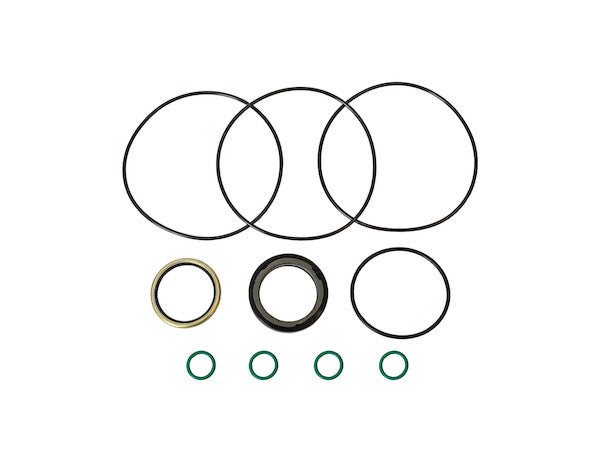
In the vast landscape of industrial, automotive, and heavy equipment applications, the integrity and operational efficiency of mechanical systems are paramount. At the core of maintaining such integrity lies the often-underestimated, yet critically important, component: the seal. Our comprehensive Replacement Seal Kit provides an essential solution for restoring and optimizing the performance of various mechanical assemblies, ensuring prolonged operational life and preventing costly failures.
Understanding the Function and Importance of Seals
Seals are precision-engineered components designed to prevent the leakage of fluids (liquids or gases) or the ingress of contaminants (dirt, dust, moisture) into mechanical systems. They function by creating a barrier between two mating surfaces, effectively containing pressure and maintaining lubrication. Without properly functioning seals, systems are susceptible to:
- Fluid Loss: Leading to insufficient lubrication, pressure drops, and potential environmental contamination.
- Contaminant Ingress: Abrasive particles can enter the system, causing premature wear of precision components such as bearings, shafts, and cylinders.
- Reduced Efficiency: Leaking seals can cause a loss of hydraulic or pneumatic power, resulting in inefficient operation and increased energy consumption.
- System Failure: Catastrophic component failure due to overheating, excessive wear, or inadequate lubrication, often leading to significant downtime and repair costs.
- Safety Hazards: Leaking hydraulic fluid or corrosive chemicals can pose serious risks to personnel and the environment.
A Replacement Seal Kit is not merely a collection of parts; it is a meticulously assembled package of vital components engineered to meet the exact specifications and demanding operational requirements of the system it serves. These kits are curated to provide all necessary seals for a specific repair or overhaul, simplifying procurement and ensuring compatibility.
Diverse Applications of Replacement Seal Kits
The applicability of replacement seal kits spans a multitude of industries and equipment types. They are indispensable in:
- Hydraulic Systems: Essential for cylinders, pumps, motors, and valves in construction machinery, agricultural equipment, material handling systems, and industrial presses, where high pressures and dynamic movements are common.
- Pneumatic Systems: Critical for cylinders, valves, and actuators in automation, manufacturing, and robotics, where compressed air integrity is vital.
- Automotive and Transportation: Found in engines, transmissions, power steering units, braking systems, and suspension components, ensuring reliable vehicle operation.
- Industrial Pumps and Compressors: Preventing leakage of process fluids or air, maintaining efficiency, and protecting internal mechanisms.
- Heavy Equipment: Crucial for the longevity and performance of excavators, bulldozers, loaders, and other heavy machinery operating in harsh environments.
- Marine and Offshore: Resisting corrosive saltwater environments and high pressures in propulsion systems, winches, and steering gears.
Types of Seals Included in a Comprehensive Kit
Replacement seal kits typically include a variety of seal types, each designed for specific functions and operating conditions:
- O-Rings: Versatile and widely used static and dynamic seals, typically made from elastomers. Their circular cross-section allows for effective sealing under compression.
- Rod Seals (U-Cups, V-Packs, Compact Seals): Designed for dynamic applications to seal the reciprocating motion of a rod against a bore, preventing external leakage from the cylinder. They are engineered to handle pressure from one side.
- Piston Seals (U-Cups, Piston Rings): Also for dynamic applications, these seals are mounted on the piston and seal against the cylinder bore, separating the high-pressure side from the low-pressure side, thus allowing for cylinder extension and retraction.
- Wiper Seals (Scrapers): Positioned at the entry point of a cylinder, these seals prevent external contaminants like dirt, dust, and moisture from entering the system, protecting the primary rod seal and extending its life.
- Static Seals (Gaskets): Used between two stationary parts to prevent leakage. Examples include flange gaskets or housing seals.
- Rotary Seals (Shaft Seals, Lip Seals): Designed for rotating shafts, preventing fluid leakage along the shaft while excluding external contaminants. They typically feature a flexible lip that rides on the shaft surface.
- Wear Rings (Guide Rings): Though not seals in the traditional sense, they are often included in seal kits. These thermoplastic rings prevent metal-to-metal contact between dynamic components (like piston and rod in a cylinder), reducing wear on critical surfaces and supporting the primary seals.
- Back-up Rings: Used in conjunction with O-rings or other seals, particularly in high-pressure applications, to prevent extrusion of the softer seal material into the clearance gap, thereby extending seal life.
Advanced Materials and Their Properties
The performance of a seal kit is critically dependent on the materials used. Modern seal kits incorporate advanced materials selected for their specific mechanical properties, chemical resistance, and thermal stability. Common materials include:
- Nitrile Butadiene Rubber (NBR): A workhorse elastomer known for its excellent resistance to petroleum-based oils, fuels, water, and hydraulic fluids. It offers a good balance of physical properties and is widely used across a broad temperature range (typically -40°C to +100°C).
- Fluorocarbon Rubber (FKM/Viton®): Superior chemical resistance, especially to aggressive chemicals, high temperatures (up to +200°C), and excellent resistance to oils, fuels, and many industrial solvents. FKM is ideal for demanding applications where NBR may degrade.
- Ethylene Propylene Diene Monomer (EPDM): Offers outstanding resistance to steam, hot water, brake fluids, and ozone. It is not suitable for petroleum-based fluids but excels in applications requiring high temperature and chemical resistance in specific media (e.g., automotive braking systems).
- Silicone (VMQ): Renowned for its wide temperature range (from extremely low to very high, e.g., -60°C to +200°C) and excellent flexibility. It has good resistance to ozone and UV but generally poorer mechanical properties and chemical resistance compared to NBR or FKM.
- Polyurethane (PU): Offers exceptional abrasion resistance, high tensile strength, and tear resistance, making it ideal for dynamic seals like rod and piston seals in high-pressure hydraulic applications. It also provides good resistance to mineral oils and many chemicals.
- Polytetrafluoroethylene (PTFE): A thermoplastic polymer known for its extremely low friction, excellent chemical inertness, wide temperature range, and non-stick properties. PTFE seals are often used in aggressive chemical environments or where minimal friction is required, often combined with fillers for enhanced wear resistance.
- Acrylonitrile Butadiene Rubber (HNBR): Hydrogenated Nitrile Rubber provides improved temperature and chemical resistance over standard NBR, with enhanced mechanical properties, making it suitable for more demanding automotive and industrial applications.
The selection of the appropriate material for a replacement seal kit is a critical engineering decision, taking into account the operating fluid, temperature range, pressure, dynamic or static nature of the application, and environmental factors. Our kits are assembled with materials precisely matched to the OEM specifications or enhanced for superior performance in specific operating conditions.
The Imperative of Timely Replacement and Quality Components
Seals, despite their robust design, are subject to wear and degradation over time. Factors contributing to seal failure include:
- Material Aging: Elastomers harden, crack, or lose elasticity due to heat, UV exposure, and chemical attack.
- Abrasion and Erosion: Dynamic seals are constantly exposed to friction, and abrasive contaminants can accelerate wear.
- Extrusion: High pressure can force seal material into clearance gaps, leading to irreversible damage.
- Chemical Degradation: Incompatible fluids can cause seals to swell, shrink, soften, or harden, losing their sealing capability.
- Improper Installation: Nicked, twisted, or incorrectly seated seals will fail prematurely.
- System Malfunctions: Pressure spikes, excessive temperatures, or shaft misalignment can overstress seals.
Investing in a high-quality Replacement Seal Kit is a proactive measure that yields significant returns. The benefits include:
- Extended Equipment Lifespan: By preventing leaks and contaminant ingress, critical components are protected from wear and corrosion.
- Optimized Performance: Restores system pressure, efficiency, and responsiveness to original specifications.
- Reduced Downtime: Proactive replacement prevents catastrophic failures, minimizing unscheduled maintenance and associated productivity losses.
- Enhanced Safety: Eliminates leakage of hazardous fluids, contributing to a safer working environment.
- Cost Savings: Avoids expensive repairs or replacement of major components that would fail due to seal degradation.
- Environmental Compliance: Prevents fluid spills and reduces the environmental footprint of operations.
Technical Considerations for Seal Kit Selection and Installation
While a replacement seal kit simplifies the repair process, understanding the technical nuances of its components is vital for optimal results. Key considerations include:
- System Compatibility: Ensure the kit matches the specific make, model, and serial number of the equipment. Slight variations in "Diameter", "Shaft Diameter", or "Mounting Pattern" can render a kit unusable or lead to premature failure.
- Operating Parameters: Verify that the seal materials within the kit are rated for the maximum operating pressure, temperature range, and chemical compatibility with the system's hydraulic fluid, lubricant, or process media.
- Surface Finish: The mating surfaces for dynamic seals, such as cylinder rods and bores, require specific surface finishes (Ra values) to ensure proper sealing and minimize wear. Too rough a finish can abrade the seal; too smooth can lead to lubricant starvation and stick-slip.
- Gland Design and Clearance Gaps: Seals are designed to fit into specific glands. The dimensions of these glands, including width and diameter, and the clearance gaps between dynamic components, are critical for proper seal function and prevention of extrusion.
- Installation Environment: A clean, well-lit workspace is crucial. Contaminants introduced during installation can immediately compromise seal integrity.
- Proper Tools: Utilize non-marring installation tools specifically designed for seals. Sharp edges or abrasive tools can easily damage delicate seal lips and surfaces.
- Lubrication: Always lubricate seals with the system's operating fluid or a compatible lubricant before installation. This reduces friction during assembly and initial operation, preventing damage and aiding seating.
- Avoiding Twisting and Rolling: O-rings and other pliable seals must be installed without twisting or rolling. Any deformation can create leak paths.
- Pre-Checks: Before reassembling, inspect all mating surfaces for burrs, scratches, or corrosion that could damage new seals.
Maintenance and Troubleshooting Common Seal Issues
Even with the highest quality replacement seal kit and meticulous installation, ongoing maintenance and awareness are key to prolonged performance.
- Regular Inspections: Periodically check for visual signs of leakage, fluid discoloration, or external damage to cylinders and shafts.
- Fluid Analysis: Regular analysis of hydraulic or lubricant fluids can detect early signs of seal degradation (e.g., increased particle count, changes in viscosity, presence of rubber particles).
- Environmental Protection: Protect equipment from excessive UV exposure, extreme temperatures, and abrasive environments where possible.
- Proper Storage of Spare Kits: Store unused seal kits in a cool, dry, dark environment, protected from ozone, UV light, and extreme temperatures, to prevent material degradation.
Should a leak reappear after a seal replacement, common troubleshooting steps include:
- Re-evaluation of Seal Material: Was the chosen material truly compatible with the operating fluid and temperature?
- Inspection of Surface Finishes: Have the rod or bore surfaces deteriorated since the last repair?
- Pressure Assessment: Are there transient pressure spikes exceeding the seal's rating?
- Contamination Check: Has the system fluid become excessively contaminated?
- Installation Review: Was there a subtle error during installation that could lead to damage?
The Value Proposition of Our Replacement Seal Kit
Our Replacement Seal Kit represents an investment in the reliability and longevity of your critical machinery. Each kit is meticulously engineered, often surpassing OEM standards, to provide unparalleled sealing performance. By focusing on precision manufacturing, utilizing cutting-edge material science, and adhering to stringent quality control, we deliver a product that ensures:
- Exact Fitment: Designed to precise dimensional tolerances, ensuring seamless integration and optimal sealing geometry.
- Superior Material Selection: Featuring elastomers and thermoplastics chosen for their optimal resistance to specific operating conditions, extending service intervals.
- Comprehensive Solutions: Including all necessary seals, wipers, and wear rings to perform a complete and effective overhaul, eliminating the need for piecemeal sourcing.
- Reliability and Durability: Engineered to withstand the rigors of demanding applications, reducing the frequency of repairs and minimizing operational disruptions.
- Expert Support: Backed by a commitment to quality and technical expertise to assist with selection and application guidance.
While the specific "Diameter", "Gear Ratio", "Mounting Pattern", "Rotation", "Shaft Diameter", "Speed", and "Wattage" details are unique to each specific application and would be confirmed by individual product variants, the underlying engineering principles of our seal kits remain consistent: to deliver uncompromising performance and enduring reliability. Choose our Replacement Seal Kit to restore your equipment to peak operational efficiency and safeguard your investment for years to come.