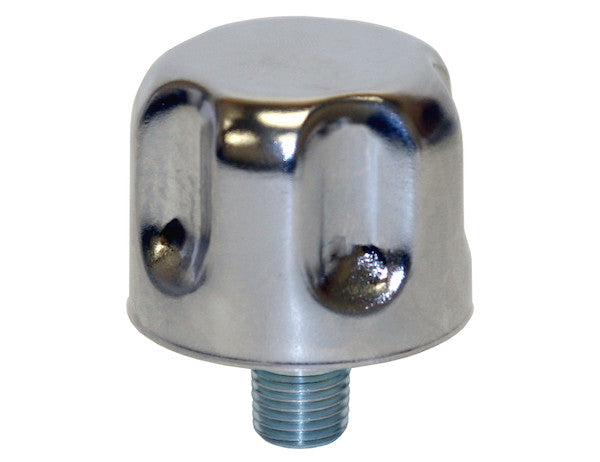
The Breather Cap from Buyers Products acts as a ventilator to provide a free flow of clean air into your reservoir. It features oil-resistant filter elements that keep out dirt and dust particles as small as 40 microns. Breather cap sizing ranges from 1/8 in. NPT to 1 in. NPT.
Specifications
| Cap Type | Threaded |
|---|---|
| Material | Carbon Steel |
| Thread Size | 3/8 NPT |
Optimizing Hydraulic System Integrity with the 3/8 Inch NPT Carbon Steel Breather Cap
In the intricate world of hydraulic systems, every component plays a pivotal role in ensuring optimal performance, longevity, and operational efficiency. Among these critical elements, the breather cap often receives less attention than major components like pumps, valves, or cylinders, yet its function is absolutely foundational to the health of the entire system. This detailed technical description focuses on the 3/8 Inch NPT Carbon Steel Breather Cap, elucidating its engineering principles, operational benefits, and the profound impact it has on maintaining a contaminant-free and properly ventilated hydraulic reservoir.
The Imperative of Hydraulic Reservoir Ventilation
Hydraulic reservoirs are not static containers; they are dynamic vessels that undergo continuous changes in fluid volume and internal pressure. These fluctuations are primarily driven by two phenomena: the movement of hydraulic cylinders and motors, which displace fluid into and out of the reservoir, and thermal expansion or contraction of the hydraulic fluid due as ambient and operational temperatures vary. As fluid levels rise and fall, air must either enter or exit the reservoir to prevent the formation of a vacuum or excessive pressure. This process is commonly referred to as "breathing."
Without adequate and properly controlled ventilation, a hydraulic system faces numerous risks. A partial vacuum within the reservoir can lead to pump cavitation, a destructive phenomenon where air bubbles form and collapse, causing significant damage to pump components and reducing volumetric efficiency. Conversely, excessive positive pressure can strain seals, connections, and the reservoir itself, leading to leaks and potential system failure. More critically, uncontrolled air exchange means that ambient air, often laden with particulate contaminants and moisture, is drawn directly into the hydraulic fluid. This ingress of impurities is a primary cause of premature component wear, fluid degradation, and ultimately, system downtime.
Precision Engineering: The 3/8 Inch NPT Threaded Interface
The "3/8 Inch NPT" designation of this breather cap refers to its thread size and type: a National Pipe Taper thread with a nominal diameter of 3/8 inch. The NPT standard is a widely adopted United States standard for tapered threads used on pipes and fittings, renowned for its ability to create a robust, leak-tight seal when properly installed. The tapered design allows the threads to wedge tightly together as they are tightened, forming a mechanical seal reinforced by thread sealant or PTFE tape.
The selection of a 3/8 NPT interface is strategic. It offers a balance between sufficient airflow capacity for medium-sized reservoirs and systems, and a manageable physical footprint for installation. This size is commonly found on a broad spectrum of industrial and mobile hydraulic equipment, providing broad compatibility. The threaded connection ensures a secure and permanent attachment to the reservoir, resisting vibrations and operational stresses far more effectively than push-on or clamp-style breathers. The durability of a threaded connection also facilitates straightforward maintenance, allowing for easy removal and replacement of the breather cap when servicing is required, without compromising the integrity of the reservoir port.
Advanced Contaminant Control: The 40-Micron Filtration Standard
A central feature of this breather cap is its advanced filtration capability, specifically designed to capture particulate matter as small as 40 microns. To fully appreciate the significance of this, it's essential to understand the scale of filtration and the impact of microscopic contaminants on hydraulic systems.
A micron (micrometer) is one-millionth of a meter. For context, the average human hair is approximately 70 microns in diameter, meaning this breather cap filters particles smaller than what is visible to the naked eye. Hydraulic systems are highly susceptible to damage from even these minute particles. Critical clearances within pumps, valves, and cylinders can be as small as 1 to 10 microns. When particles larger than these clearances enter the system, they act as abrasive agents, causing wear on moving parts, eroding surfaces, and leading to increased internal leakage, reduced efficiency, and premature component failure. Common contaminants include dust, dirt, sand, metallic wear particles, and fibers, all of which are ubiquitous in industrial and outdoor environments.
The 40-micron rating represents a carefully engineered balance. While ultra-fine filtration (e.g., 3-10 microns) is employed for pressure line filtration within the hydraulic circuit, a breather cap's primary role is to prevent gross contamination from entering the reservoir while allowing sufficient airflow. A filter element that is too fine for a breather application could quickly become clogged, restricting airflow and potentially leading to pressure imbalances. The 40-micron standard effectively screens out the vast majority of airborne particulate matter that poses a significant threat to hydraulic components, ensuring a clean operating environment for the hydraulic fluid without impeding necessary air exchange. This level of filtration significantly extends the life of hydraulic fluid and internal components, translating directly into reduced operational costs and increased system uptime.
Resilience and Durability: Oil-Resistant Filter Elements
The environment within and around a hydraulic reservoir is inherently oily. The air drawn into the reservoir often contains oil mist, and the filter element itself is constantly exposed to hydraulic fluid vapors. Recognizing this, the filter elements within this breather cap are specifically engineered to be oil-resistant. This is not a trivial feature; it is fundamental to the long-term effectiveness and reliability of the filtration system.
Traditional, non-oil-resistant filter media, such as untreated paper or certain synthetic materials, would degrade rapidly when exposed to hydraulic fluid. The oil would saturate the media, causing it to swell, lose its structural integrity, and compromise its filtration efficiency. Moreover, the degraded media could itself introduce contaminants into the system. Oil-resistant filter elements, typically constructed from specialized synthetic fibers or treated materials, maintain their structural integrity and filtration characteristics even under continuous exposure to oil mist and vapors. This ensures that the 40-micron filtration capability is sustained over the entire service life of the breather cap, providing consistent protection against airborne particulates. The oil resistance also prevents the filter media from becoming a source of contamination, thereby protecting the hydraulic fluid's cleanliness and extending its service life. This resilience contributes significantly to the breather cap's longevity and reliable performance in demanding hydraulic applications.
Robust Construction: Carbon Steel Material
The choice of carbon steel for the construction of this breather cap underscores its design for durability and performance in harsh operational environments. Carbon steel is an alloy primarily composed of iron and carbon, known for its exceptional strength, hardness, and resistance to impact. These properties are crucial for a component exposed to external elements, vibrations, and potential physical impacts in industrial and mobile applications.
Compared to other materials like plastics or lighter alloys, carbon steel offers superior mechanical strength, providing a robust housing for the filter element and resisting deformation under stress. This inherent strength ensures the breather cap can withstand the rigors of heavy-duty machinery, including exposure to wide temperature fluctuations, mechanical shock, and abrasive conditions typical of construction sites, agricultural fields, or trucking operations. While carbon steel is susceptible to corrosion in the absence of protective coatings, typical industrial-grade breather caps often feature surface treatments such as powder coating, zinc plating, or other protective finishes to enhance their corrosion resistance and aesthetic longevity. The robust nature of carbon steel also facilitates secure threading and attachment to the reservoir, contributing to the overall integrity of the hydraulic system.
Application Versatility and System Compatibility
The 3/8 Inch NPT Carbon Steel Breather Cap is engineered for broad applicability across a diverse range of hydraulic systems. Its specifications make it particularly well-suited for:
- Mobile Hydraulic Equipment: Including excavators, bulldozers, agricultural tractors, forklifts, utility vehicles, and waste collection trucks, where exposure to dust, dirt, and demanding operating conditions is common.
- Industrial Machinery: Such as presses, manufacturing equipment, material handling systems, and assembly line machinery that utilize hydraulic power.
- Commercial Transport: Heavy-duty trucks, trailers, and other transportation equipment requiring robust hydraulic auxiliary systems.
- Power Units and Reservoirs: Stationary hydraulic power units in factories, workshops, and processing plants.
When integrating this breather cap into a hydraulic system, it is crucial to consider the reservoir's volume and the maximum anticipated fluid displacement rates. While the 3/8 NPT offers a good balance, larger reservoirs or systems with very high flow rates might require larger NPT sizes (e.g., 1/2", 3/4", 1" NPT, as indicated by the product line's range) or multiple breather caps to ensure unrestricted airflow. Consulting OEM specifications or hydraulic system design guidelines is always recommended to ensure proper sizing and placement for optimal system performance and longevity.
Installation, Maintenance, and Maximizing System Longevity
Proper installation and routine maintenance are paramount to realizing the full benefits of the 3/8 Inch NPT Breather Cap. Installation involves threading the cap securely into a designated 3/8 NPT port on the hydraulic reservoir. It is critical to use an appropriate thread sealant (e.g., PTFE tape or liquid pipe sealant) to ensure a leak-free and air-tight connection at the threads, preventing unfiltered air or fluid leakage.
Maintenance largely revolves around periodic inspection and replacement. The filter element, despite its oil-resistant properties, will eventually become laden with captured contaminants. A clogged breather cap restricts airflow, leading to pressure imbalances (vacuum or pressure buildup) within the reservoir, which can harm pumps and seals. Signs of a clogged breather include:
- Audible whistling or suction noises from the reservoir during operation.
- Sluggish hydraulic system response.
- Evidence of reservoir deformation (bulging or collapsing).
- Visual inspection revealing a heavily discolored or obstructed filter element.
Replacement intervals can vary significantly based on the operating environment's cleanliness, the system's duty cycle, and the fluid's cleanliness targets. As a general guideline, breather caps should be inspected at every fluid change or filter replacement interval and replaced as needed, typically every 500-2000 operating hours, or annually, whichever comes first, in average conditions. In very dusty or harsh environments, more frequent inspection and replacement may be necessary. Adhering to a proactive maintenance schedule for breather caps is a cost-effective strategy to prevent more expensive repairs, extend component life, and maintain peak hydraulic system performance.
The Economic and Operational Advantages
Investing in a high-quality breather cap like the 3/8 Inch NPT Carbon Steel model yields substantial economic and operational advantages:
- Extended Component Life: By preventing abrasive particles from entering the system, wear on critical components such as pumps, motors, valves, and cylinders is drastically reduced, extending their operational lifespan.
- Reduced Fluid Degradation: Clean air prevents the introduction of contaminants that can accelerate fluid oxidation and degradation, thereby extending the service life of expensive hydraulic fluid.
- Improved System Efficiency: Maintaining optimal reservoir pressure and fluid cleanliness ensures hydraulic components operate at their designed efficiency, preventing losses due to cavitation or excessive internal leakage.
- Lower Maintenance Costs: Fewer component failures and longer fluid life translate directly into reduced expenses for parts, labor, and fluid replacement.
- Increased Uptime and Reliability: A well-protected hydraulic system is less prone to unexpected breakdowns, enhancing operational reliability and maximizing equipment uptime, which is critical for productivity and profitability.
- Compliance with Industry Standards: Utilizing proper filtration and ventilation solutions helps systems meet or exceed OEM specifications and industry best practices for hydraulic fluid cleanliness, often a prerequisite for warranty validation.
Conclusion: A Small Component with Monumental Impact
While often overlooked, the 3/8 Inch NPT Carbon Steel Breather Cap is a foundational component in the pursuit of hydraulic system longevity and efficiency. Its precision-engineered 40-micron oil-resistant filter element, combined with the robust durability of carbon steel and the secure NPT threaded connection, collectively safeguard the hydraulic fluid from atmospheric contaminants. This protection is not merely a desirable feature but an absolute necessity for preventing premature component wear, fluid degradation, and system malfunction. By ensuring a continuous supply of clean, filtered air to the reservoir, this breather cap directly contributes to extended component life, reduced maintenance costs, and sustained peak performance of hydraulic machinery. It stands as a testament to the principle that in complex engineering systems, even the smallest components can have the most monumental impact on overall operational integrity and financial viability.