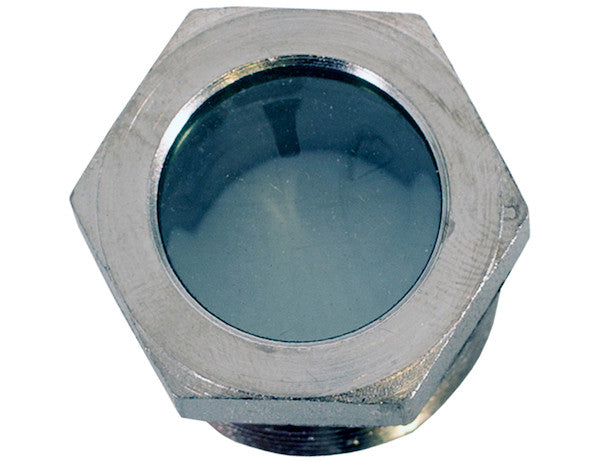
Sight Level Gauges from Buyers Products let you quickly and simply assess the amount of hydraulic fluid in your reservoir. The gauges are zinc-plated for corrosion resistance and rated at 125 PSI and 250?? F. Choose from two NPT sight level gauges or a 5 in. hydraulic liquid level gauge with 1/2in.-13 NC threads.
Specifications
| Mount Thread | 1 NPT |
|---|---|
| Size | 1.00" |
| Style | Sight Glass |
| Temperature Indicator | No |
Advanced Technical Overview: The 1 Inch NPT Sight Level Gauge for Hydraulic Systems
In the intricate world of hydraulic systems, precision and reliability are paramount. The continuous, efficient operation of machinery hinges on the meticulous monitoring of critical parameters, chief among them being the fluid level within hydraulic reservoirs. The 1 Inch NPT Sight Level Gauge stands as an indispensable component designed to provide engineers, technicians, and operators with a direct, unambiguous, and real-time visual assessment of hydraulic fluid volume. This technical exposition delves into the engineering principles, material science, operational benefits, and application spectrum of this essential industrial device, emphasizing its role in maintaining system integrity, optimizing performance, and facilitating proactive maintenance.
Core Functionality and Operational Principle
At its essence, the 1 Inch NPT Sight Level Gauge operates on a fundamental principle of fluid dynamics and optics: direct visual indication. Integrated into the wall of a hydraulic reservoir, the gauge provides a transparent window, typically a robust glass or acrylic tube, allowing the internal fluid level to be observed against an external reference. As hydraulic fluid levels fluctuate within the reservoir due to operational demands, leakage, or thermal expansion/contraction, the corresponding change is immediately visible through the gauge. This direct visual feedback eliminates the need for complex electronic sensors, power sources, or intricate calibration procedures, offering an inherently reliable and fail-safe method of fluid level verification. The gauge is engineered to provide a clear, unobstructed view, enabling operators to quickly ascertain if the fluid is within the optimal operating range, requires replenishment, or indicates a potential overfill condition.
Construction and Material Science
The robust construction of the 1 Inch NPT Sight Level Gauge is tailored for the demanding environments typical of hydraulic applications. Key material selections and manufacturing processes contribute to its durability and performance:
- Body Material and Zinc Plating: The primary structural components of the gauge are typically fabricated from durable metals capable of withstanding mechanical stresses and fluid pressures. A critical feature of this gauge is its zinc-plated finish. Zinc plating serves as a sacrificial cathodic coating, meaning it corrodes preferentially to the underlying base metal when exposed to corrosive elements like moisture, salts, and various atmospheric pollutants. This electrochemical protection significantly extends the lifespan of the gauge, preventing rust and preserving structural integrity even in harsh industrial, mobile, or marine environments where exposure to corrosive agents is common. The adhesion and uniformity of the zinc layer are meticulously controlled during manufacturing to ensure maximum protective efficacy and a consistent aesthetic finish.
- Viewing Element (Sight Glass): While the generic term "sight glass" is used, the specific material chosen for the transparent window is paramount. For industrial applications, options typically include high-strength borosilicate glass or specialized acrylic/polycarbonate polymers. Borosilicate glass is favored for its excellent chemical resistance to a wide range of hydraulic fluids, superior scratch resistance, and high temperature tolerance (aligning with the 250°F rating). It also maintains optical clarity over extended periods. Acrylic or polycarbonate, while potentially offering higher impact resistance, might have lower temperature limits and can be susceptible to chemical attack from certain hydraulic fluids, making glass the preferred choice for this specific gauge's rating. The selection ensures sustained visibility and structural integrity under operational pressures and temperatures.
- Seals and Gaskets: The integrity of the gauge against fluid leakage is ensured by high-performance elastomeric seals. Given the 250°F temperature rating and compatibility with various hydraulic fluids, materials like Nitrile Butadiene Rubber (NBR) or Viton (FKM) are commonly employed. NBR offers excellent resistance to petroleum-based hydraulic oils and good temperature stability. FKM provides superior chemical resistance and higher temperature capabilities, making it ideal for more aggressive fluids or elevated thermal conditions. These seals are precisely engineered to create a secure, leak-proof barrier between the viewing element, the gauge body, and the reservoir wall, accommodating slight thermal expansion and contraction without compromising fluid containment.
Detailed Technical Specifications and Implications
Understanding the specific technical specifications provides critical insights into the gauge's capabilities and suitable application environments:
- Mount Thread: 1 NPT (National Pipe Tapered): The 1 NPT thread signifies adherence to the National Pipe Tapered standard, a widely recognized threading convention in North America. The key characteristic of NPT threads is their taper (a 1:16 taper on the pipe diameter). This taper, when engaged with a corresponding female NPT thread, allows for a mechanical interference fit that becomes progressively tighter as the components are assembled. When combined with appropriate thread sealant (e.g., PTFE tape or liquid pipe sealant), NPT connections are designed to create robust, leak-tight joints capable of sealing under pressure without the need for additional gaskets, although proper torque application is crucial. The "1 NPT" designation indicates a nominal pipe size of one inch, ensuring compatibility with standard one-inch NPT ports on hydraulic reservoirs.
- Size: 1.00": This refers to the nominal bore size of the NPT thread. While not directly indicating the visible length of the sight glass, it establishes the standard interface dimension. The overall length and viewing window dimensions are typically proportional to ensure adequate fluid level visibility for standard reservoir depths. For a typical 1-inch NPT sight gauge, the viewing length might range from a few inches to significantly more, providing a clear indication of a useful portion of the fluid level.
- Rated at 125 PSI: This pressure rating specifies the maximum continuous operating pressure the sight gauge can safely withstand. 125 PSI (pounds per square inch) is a common rating for components in medium-to-low pressure hydraulic systems, as well as return lines or reservoir applications where hydrostatic pressure is a primary concern. This rating incorporates a safety factor, meaning the burst pressure of the gauge is significantly higher than 125 PSI. Adhering to this limit is crucial for preventing structural failure, fluid leaks, and potential safety hazards. It signifies that the gauge's body, viewing element, and seals are engineered to maintain integrity under these specific pressure conditions without deformation or leakage.
- Rated at 250°F (121°C): The temperature rating of 250°F is a critical parameter, indicating the maximum continuous operating temperature the gauge can endure without degradation of its materials or performance. Hydraulic systems can generate significant heat, and fluid temperatures can often reach elevated levels. This rating ensures that the viewing element, seals, and gauge body materials are chosen to maintain their mechanical properties, chemical resistance, and optical clarity at or below this temperature. Exceeding this temperature limit can lead to material embrittlement, seal failure, reduced transparency, and ultimately, a compromise in the gauge's structural integrity and functionality. It makes this gauge suitable for a broad spectrum of industrial and mobile hydraulic applications where fluid temperatures can fluctuate considerably.
- Style: Sight Glass: This classification emphasizes the direct visual nature of the level indication, distinguishing it from other fluid level sensing technologies. Unlike float switches, ultrasonic sensors, capacitive sensors, or pressure transducers, a sight glass provides an immediate, intuitive, and universally understandable indication of fluid level without any electronic interpretation or power requirements. This inherent simplicity contributes significantly to its reliability and cost-effectiveness.
- Temperature Indicator: No: This specification clarifies that the gauge is solely dedicated to fluid level indication. It does not incorporate any thermometric functionality, such as a bimetallic strip or a fluid-filled thermometer. While the gauge is rated for a specific temperature range, it does not actively display the fluid's temperature. For applications requiring temperature monitoring in addition to level indication, a separate temperature gauge or sensor would need to be installed alongside the sight level gauge. This design choice prioritizes simplicity, cost-effectiveness, and focused functionality for level detection.
Applications Across Industries
The 1 Inch NPT Sight Level Gauge finds widespread application across a diverse range of industries and machinery where hydraulic power is utilized. Its robust design, reliable performance, and ease of use make it an ideal choice for:
- Mobile Hydraulic Equipment: Essential for construction machinery (excavators, loaders, dozers), agricultural equipment (tractors, harvesters), material handling equipment (forklifts, telehandlers), and utility vehicles (cranes, lift trucks). Operators can quickly check hydraulic fluid levels before shifts or during operation to prevent costly downtime and component damage.
- Industrial Hydraulic Power Units: Used in manufacturing plants, processing facilities, and power generation stations. These gauges are integral to stationary hydraulic systems powering presses, injection molding machines, machine tools, and automation equipment, ensuring continuous fluid level monitoring for preventative maintenance.
- Lubrication Systems: While primarily for hydraulics, similar gauges are used in large-scale lubrication systems for gearboxes, bearing housings, and other industrial machinery to monitor oil levels and prevent catastrophic failures due to insufficient lubrication.
- Fleet Maintenance and Heavy-Duty Trucks: Integrated into hydraulic systems of dump trucks, refuse vehicles, snowplows, and other heavy-duty vehicles, allowing maintenance personnel to perform quick visual checks during routine service intervals.
- Marine and Offshore Applications: In hydraulic steering systems, winches, and other deck machinery on vessels and offshore platforms, where corrosive environments demand zinc-plated components and reliable fluid level monitoring.
Installation and Maintenance Best Practices
Proper installation and routine maintenance are crucial to maximize the lifespan and accuracy of the 1 Inch NPT Sight Level Gauge:
-
Installation:
- Port Preparation: Ensure the hydraulic reservoir's 1 NPT port is clean, free of burrs, and correctly threaded.
- Orientation: Install the gauge vertically, if possible, to accurately reflect the fluid level. Ensure the viewing window is easily accessible and visible from typical inspection points.
- Thread Sealant: Apply an appropriate amount of PTFE thread tape (typically 2-3 wraps clockwise) or a liquid pipe sealant compatible with hydraulic fluids and system pressures to the male NPT threads of the gauge. This aids in creating a leak-proof seal and prevents galling.
- Torque: Hand-tighten the gauge until snug, then use a wrench to apply an additional 1-2 turns, or follow manufacturer-specific torque recommendations. Avoid overtightening, which can damage threads or the gauge body, and undertightening, which can lead to leaks.
- Fluid Compatibility: Verify that the gauge materials are compatible with the specific hydraulic fluid used in the system to prevent material degradation over time.
-
Maintenance:
- Routine Visual Inspection: Regularly inspect the sight glass for clarity, cracks, discoloration, or any signs of leakage around the threads or seals. A cloudy or discolored sight glass can indicate fluid contamination or material degradation and warrants further investigation.
- Cleaning: Keep the exterior of the sight glass clean using a soft cloth and a mild, non-abrasive cleaner. Avoid harsh solvents that could damage the viewing material or the zinc plating. Internal cleaning is typically not required unless the system fluid itself is exceptionally dirty, indicating a need for fluid filtration or replacement.
- Leak Detection: Immediately address any signs of weeping or dripping around the gauge. This could indicate insufficient thread sealant, improper torque, or a damaged seal, requiring re-sealing or replacement.
- Environmental Protection: While zinc-plated for corrosion resistance, minimizing prolonged exposure to highly corrosive substances or extreme physical impact will further extend the gauge's service life.
Advantages and Contribution to System Longevity
The 1 Inch NPT Sight Level Gauge offers a compelling array of advantages that contribute significantly to the operational efficiency and longevity of hydraulic systems:
- Reliability: Being a passive device with no moving parts or electronic components, it boasts exceptional reliability and is not susceptible to electrical failures, sensor drift, or power outages.
- Cost-Effectiveness: It presents an economical solution for fluid level monitoring compared to more complex electronic sensing technologies, both in terms of initial purchase and long-term maintenance.
- Ease of Use: The direct visual indication allows for quick and intuitive assessment by personnel of varying skill levels, reducing the potential for misinterpretation.
- Durability: The zinc-plated finish, coupled with robust construction and high-grade viewing materials, ensures a long service life even in challenging industrial environments.
- Preventative Maintenance Facilitation: By providing clear, immediate feedback on fluid levels, it empowers operators and maintenance teams to perform timely top-offs, identify leaks early, and prevent damage to pumps, valves, and other hydraulic components caused by insufficient fluid.
- Enhanced Safety: Maintaining proper fluid levels prevents cavitation, overheating, and erratic system operation, contributing to a safer working environment.
Conclusion
The 1 Inch NPT Sight Level Gauge is far more than a simple accessory; it is a fundamental safety and maintenance device for any hydraulic system. Its technical specifications—including the 1 NPT mount thread, 125 PSI pressure rating, 250°F temperature resistance, and corrosion-resistant zinc plating—are carefully selected to ensure high performance and longevity in demanding industrial and mobile applications. While it intentionally omits a temperature indicator to maintain simplicity and focus on its primary role, its direct visual functionality remains unsurpassed for quick, reliable fluid level assessment. By enabling proactive maintenance and preventing costly failures, this sight level gauge stands as an indispensable component, reinforcing the operational integrity and extending the service life of critical hydraulic machinery across myriad industries. Its integration represents a commitment to efficiency, reliability, and robust engineering in the management of fluid power systems.