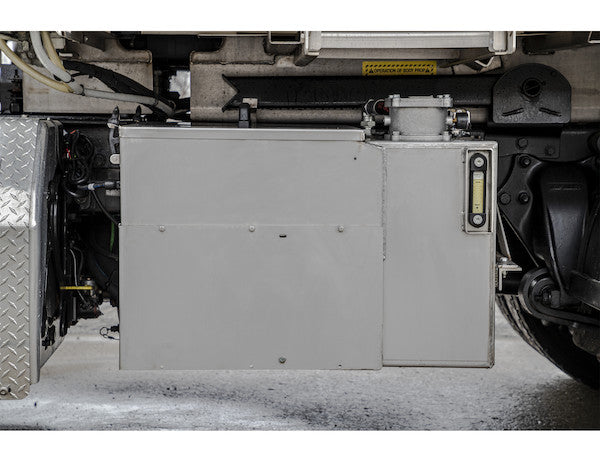
Buyers Products Oil Level Gauge with Temperature Indicator can protect your hydraulic system from damage caused by low fluid or overheating. This handy sight gauge features a polycarbonate body with a durable molded nylon outer shell. It has 1/2 in. -13 NC threads.
Specifications
| Mount Center to Center | 5 |
|---|---|
| Mount Thread | 1/2-13 |
| Style | Level Gauge |
| Temperature Indicator | Yes |
The Buyers Products Oil Level Gauge with Temperature Indicator represents a critical component in the proactive maintenance and operational integrity of hydraulic systems. Engineered for precision and durability, this combined sight gauge and temperature sensor provides operators and maintenance personnel with immediate, visual feedback on two of the most vital parameters influencing hydraulic system health: fluid level and operating temperature. By integrating these two indicators into a single, robust unit, it streamlines diagnostic processes and mitigates the risks associated with inadequate fluid volume or thermal excursions.
At its core, a hydraulic system relies on the incompressible nature of fluid to transmit power. The efficacy and longevity of such a system are inextricably linked to the quality, quantity, and thermal stability of its hydraulic fluid. The Buyers Products gauge addresses these fundamental requirements by offering real-time monitoring capabilities. The primary function of the oil level gauge is to provide a clear, unambiguous visual representation of the fluid height within a reservoir. This is achieved through its advanced polycarbonate body, which offers exceptional transparency and resistance to common hydraulic fluids. Maintaining the correct fluid level is paramount. Insufficient fluid can lead to a cascade of detrimental effects, including pump cavitation, which is the formation and collapse of vapor bubbles within the fluid. This phenomenon generates severe localized pressure spikes, causing erosion and damage to pump components, leading to reduced efficiency, increased noise, and ultimately, premature pump failure. Furthermore, low fluid levels can expose internal components to air, promoting oxidation of the fluid, introducing contaminants, and compromising lubrication effectiveness. Conversely, overfilling a hydraulic reservoir can be equally problematic. Excess fluid can lead to increased system pressure, particularly during thermal expansion, potentially straining seals, hoses, and other components beyond their design limits. It can also cause foaming of the hydraulic fluid, which reduces its ability to transmit power efficiently, inhibits heat dissipation, and accelerates fluid degradation due to air entrainment. The 5-inch mount center-to-center dimension ensures broad compatibility with a range of reservoir designs, offering a standardized approach to installation and replacement.
Beyond fluid level, the thermal state of hydraulic fluid is a critical determinant of system performance and component lifespan. Hydraulic fluids are engineered to perform optimally within a specific temperature range. The integrated temperature indicator within this Buyers Products gauge serves as a vital sentinel against thermal stress. Excessive heat, commonly referred to as overheating, is a pervasive threat to hydraulic systems. High temperatures accelerate the oxidation of hydraulic fluid, leading to the formation of sludge, varnish, and acidic byproducts. These contaminants degrade fluid lubricity, erode seals, and clog filters, thereby compromising system efficiency and significantly shortening the operational life of components such as pumps, valves, and actuators. For every 10°C increase above optimal operating temperature, the life of hydraulic fluid can be halved. Moreover, elevated temperatures reduce the viscosity of the fluid, diminishing its lubricating film strength and increasing internal leakage, which translates directly into reduced power transmission efficiency and increased energy consumption. On the other end of the spectrum, excessively low temperatures can also pose challenges. Cold fluid exhibits higher viscosity, leading to sluggish system response, increased power requirements for operation, and potential difficulties with fluid flow, especially during start-up in colder environments. The temperature indicator, typically utilizing a bimetallic strip or an alcohol-filled bulb thermometer housed within the gauge, provides a clear, instantaneous reading, enabling operators to identify and address thermal anomalies before they escalate into critical failures. This proactive monitoring capability is indispensable for ensuring consistent performance and preventing costly unscheduled downtime.
The construction materials of the Buyers Products Oil Level Gauge with Temperature Indicator are meticulously selected to withstand the demanding conditions typical of hydraulic applications. The "polycarbonate body" is a testament to modern material science, offering a superior alternative to traditional glass in many industrial settings, despite the title referencing "Glass." Polycarbonate is a thermoplastic polymer renowned for its exceptional strength, rigidity, and impact resistance. Unlike conventional glass, polycarbonate is virtually unbreakable under normal operating conditions and is significantly more resistant to chipping and shattering, thus enhancing safety and operational robustness. Its inherent transparency allows for an unobstructed view of the fluid level, which is crucial for accurate assessment. Furthermore, polycarbonate exhibits excellent dimensional stability and good resistance to a wide range of chemicals, including many hydraulic fluids, although compatibility should always be verified for specific fluid types and additive packages. Its resistance to UV radiation also ensures long-term clarity and prevents yellowing or degradation when exposed to sunlight, which can be a concern for outdoor mobile hydraulic applications. The integration of polycarbonate as the primary viewing medium provides a clear, durable, and reliable window into the hydraulic reservoir's vital statistics.
Complementing the polycarbonate body is a "durable molded nylon outer shell." Nylon, a versatile polyamide, is chosen for its outstanding mechanical properties. It offers high tensile strength, excellent abrasion resistance, and good fatigue endurance, providing an additional layer of protection to the polycarbonate body. The molding process allows for precise manufacturing, ensuring a snug fit and robust structural integrity. Nylon's chemical resistance further protects the internal components from environmental contaminants and splashes of aggressive fluids. Its relatively low coefficient of friction and good thermal properties make it an ideal material for protective enclosures in industrial environments. The combination of polycarbonate for visibility and nylon for structural reinforcement creates a resilient unit capable of enduring the vibrations, impacts, and chemical exposures inherent to heavy-duty hydraulic machinery.
The mechanical interface of this gauge is defined by its "1/2 in. -13 NC threads." This specification is critical for proper installation and secure integration into the hydraulic reservoir. The "1/2 in." refers to the nominal diameter of the thread, while "-13 NC" indicates 13 threads per inch, following the National Coarse (NC) standard. National Coarse threads are known for their strength and ease of assembly, making them suitable for applications where robustness and straightforward mounting are prioritized. This standardized threading ensures compatibility with a vast array of hydraulic reservoirs and fittings, simplifying installation, maintenance, and replacement procedures. A precisely machined thread ensures a tight, leak-proof seal when properly torqued, preventing fluid loss and ingress of airborne contaminants, which are notorious for accelerating wear in hydraulic systems. The consistency of this mounting standard across industrial components reflects a commitment to interchangeability and reliable performance in demanding applications.
The practical applications of the Buyers Products Oil Level Gauge with Temperature Indicator are extensive and diverse, spanning across numerous industries where hydraulic power is utilized. In mobile equipment such as construction machinery (excavators, loaders, bulldozers), agricultural vehicles (tractors, harvesters), and municipal service vehicles, these gauges provide operators with crucial feedback during rigorous operations, often in challenging environmental conditions. For stationary industrial machinery, including presses, injection molding machines, machine tools, and manufacturing automation systems, consistent monitoring is essential for maintaining production schedules and preventing catastrophic failures. Furthermore, power units, hydraulic fluid reservoirs, and various custom hydraulic systems benefit immensely from the immediate visual and thermal data provided by this dual-function gauge. Its utility extends to marine applications, where reliability under varying conditions is paramount, and even to specialized equipment in the energy and forestry sectors. The ability to quickly ascertain fluid levels and temperatures without specialized tools or complex procedures makes this gauge an invaluable asset for preventative maintenance regimes across all these fields.
Integrating this gauge into a hydraulic system offers a multitude of benefits, primarily centered on enhanced operational safety, extended equipment lifespan, and optimized performance. By providing clear, continuous visibility of fluid levels, it empowers operators to detect and rectify low fluid conditions before they lead to pump damage, cavitation, or air ingestion. Similarly, the integrated temperature indicator allows for prompt identification of thermal excursions, enabling timely intervention to prevent fluid degradation, seal failure, and component wear due to overheating. This proactive approach significantly reduces the likelihood of unexpected downtime, which can be immensely costly in terms of lost productivity, repair expenses, and potential contractual penalties. The durable construction, featuring a polycarbonate body and a molded nylon outer shell, ensures resilience against operational stresses and environmental factors, guaranteeing a long service life and reliable performance in harsh industrial environments. The standardized 1/2 in. -13 NC threads facilitate straightforward installation and replacement, minimizing maintenance complexity and associated labor costs. Ultimately, this gauge serves as an indispensable tool for implementing a robust preventative maintenance strategy, ensuring that hydraulic systems operate within their specified parameters, thereby maximizing efficiency, prolonging component life, and safeguarding the overall investment in hydraulic machinery.
For optimal performance and longevity, proper installation and periodic maintenance of the oil level gauge are recommended. The gauge should be installed in a location on the reservoir that provides a clear, unobstructed view of the fluid level during typical operating conditions. Consideration should be given to avoiding areas prone to excessive splashing or direct impingement of high-velocity fluid returns, which could temporarily distort the level reading. While polycarbonate offers excellent UV resistance, prolonged exposure to direct, intense sunlight can contribute to material fatigue over many years, though its durability significantly surpasses many alternatives. Regular cleaning of the exterior polycarbonate surface with appropriate, non-abrasive cleaners will ensure maximum clarity for accurate fluid level readings. It is also advisable to periodically inspect the gauge for any signs of physical damage, such as cracks in the body or shell, and to check the integrity of the threaded connection to ensure there are no fluid leaks. While the gauge itself is designed for robustness, the seals (if external) or the sealing mechanisms around the mounting threads are critical for preventing contamination ingress and fluid egress. Ensuring that the gauge's materials are compatible with the specific type of hydraulic fluid and its additives in use is also an important technical consideration for long-term reliability. Though not typically a pressure-rated component in the same way as a hose or pump, the gauge is designed to withstand the ambient pressures within a hydraulic reservoir, which can fluctuate with temperature changes. Adhering to manufacturer guidelines for installation torque on the 1/2-13 NC threads will prevent over-tightening which could damage the reservoir port or the gauge itself, while ensuring a secure, leak-free connection. This diligent approach to installation and maintenance will maximize the operational lifespan and accuracy of the Buyers Products Oil Level Gauge with Temperature Indicator, ensuring it continues to provide critical insights into your hydraulic system's health for years to come.