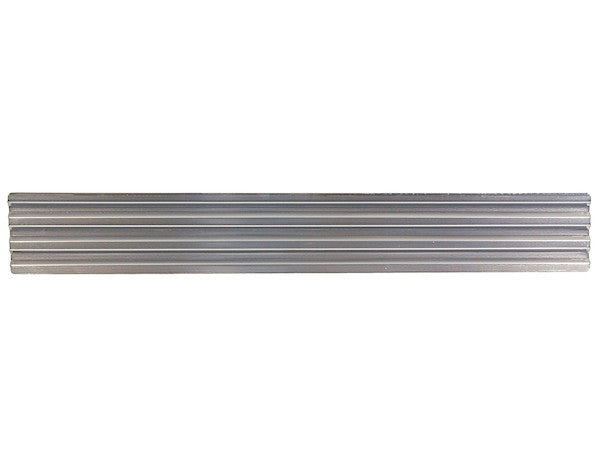
The Liner Slat for stake body trucks from Buyers Products is constructed with durable 16 Ga steel for use on all stake body trucks. Long edges of the slats are rolled over and the corners are rounded for easier installation and application on any stake body vehicle.
Specifications
| Finish | Plain |
|---|---|
| Gauge | 16 |
| Length (in.) | 90.00 |
| Material | Carbon Steel |
| Width (in.) | 6.50 |
Advanced Technical Overview: Liner Slat 6.5 x 90 Inch for Stake Body Trucks
The Liner Slat, precisely engineered to dimensions of 6.5 x 90 inches and manufactured from 16 Gauge Carbon Steel by Buyers Products, represents a critical component in enhancing the operational longevity, structural integrity, and cargo protection capabilities of stake body trucks. This detailed exposition delves into the material science, design principles, functional benefits, and installation considerations that underscore the value proposition of this essential automotive accessory. Designed for rigorous industrial applications, this liner slat is not merely an add-on but an integral reinforcement system for vehicles subjected to demanding operational environments and varied cargo transport requirements.
Material Science and Engineering: 16 Gauge Carbon Steel
The selection of 16 Gauge Carbon Steel as the primary material for this liner slat is a deliberate engineering choice, striking an optimal balance between strength, weight, formability, and cost-effectiveness. Carbon steel, primarily an alloy of iron and carbon (with carbon content typically ranging from 0.05% to 2.1% by weight), is renowned for its high tensile strength and durability, making it exceptionally well-suited for applications involving impact resistance and structural reinforcement. The specific grade of carbon steel utilized is optimized for cold forming processes, which are essential for achieving the precise dimensions and intricate edge profiles of the slat.
The designation "16 Gauge" refers to the thickness of the steel sheet. In the American Wire Gauge (AWG) or Manufacturer's Standard Gauge system, a 16 gauge steel sheet typically measures approximately 0.0598 inches (or 1.519 mm). This thickness provides substantial resistance against punctures, abrasions, and localized deformation caused by shifting cargo such as construction materials, agricultural produce, or waste. While thicker gauges offer greater rigidity, 16 gauge is preferred here as it minimizes added vehicle weight, which directly impacts fuel efficiency and payload capacity, without compromising critical protective qualities. Furthermore, this gauge maintains sufficient flexibility for controlled forming during manufacturing and allows for relatively straightforward on-site modifications if required, such as drilling for fasteners.
The inherent properties of carbon steel, including its high yield strength and ultimate tensile strength, ensure that the liner slat can absorb significant kinetic energy from impacts without undergoing permanent deformation or fracturing. Its excellent fatigue resistance is crucial for components installed on commercial vehicles, which are continuously subjected to dynamic stresses, vibrations, and thermal cycling. This resilience prevents the propagation of micro-cracks over extended periods, thereby prolonging the service life of both the slat and the underlying truck body panels. The material also exhibits good weldability, which is a key advantage for potential custom installations or repairs where welding may be the preferred joining method, although mechanical fasteners are typically employed for standard installations.
However, it is pertinent to note that carbon steel, in its "Plain" finish state, is susceptible to corrosion, particularly in environments exposed to moisture, road salts, or corrosive chemicals. This aspect is addressed in subsequent sections concerning surface treatments and maintenance, emphasizing the necessity of protective coatings to leverage the full lifespan potential of the material.
Dimensional Analysis: 6.5 x 90 Inches
The specified dimensions of 6.5 inches in width and 90 inches in length are meticulously chosen to maximize utility and compatibility with a broad spectrum of stake body truck configurations. These dimensions are not arbitrary; they reflect a careful consideration of standard truck bed wall heights and lengths, as well as the practicalities of installation and material optimization.
The 6.5-inch width provides substantial vertical coverage along the interior walls of a stake body truck. This dimension is designed to protect the most vulnerable areas from direct impact and abrasion, particularly at levels where bulk cargo typically settles or shifts. It allows for efficient layering of multiple slats, either horizontally or vertically, to cover larger wall sections. For instance, two slats installed side-by-side could provide 13 inches of protective height, which can be extended further depending on the truck bed's specific requirements. This modularity ensures versatility, enabling operators to customize the protected area according to their specific cargo and operational demands.
The 90-inch length, equivalent to 7.5 feet, is particularly advantageous. Many standard truck beds are designed with internal lengths that are multiples or segments of this dimension, allowing for precise fitment with minimal cutting or waste. For an 8-foot (96-inch) truck bed, a 90-inch slat provides extensive coverage, often requiring only a small gap at the front or rear, or can be combined with a shorter segment for full length coverage. For shorter beds, the slat can be readily cut to size, minimizing material loss due to its optimized length-to-width ratio. This length also facilitates easier handling and transportation compared to full-sheet steel panels, streamlining the installation process for both professional installers and fleet maintenance teams.
The combination of these dimensions ensures that the liner slat effectively serves its purpose of protecting critical areas of the truck bed walls from the rigors of daily use. It allows for comprehensive coverage, preventing scratches, dents, and structural fatigue to the underlying truck body, which in turn preserves the vehicle's aesthetic condition and structural integrity over time. The uniform size across manufactured units ensures consistency in fit and performance, critical for fleet management and repeatable installation procedures.
Design and Fabrication Excellence: Rolled Edges and Rounded Corners
The manufacturing process incorporates sophisticated design features—specifically, rolled long edges and rounded corners—which are paramount to the product's performance, safety, and ease of installation. These features are not merely cosmetic; they are engineered enhancements that contribute significantly to the slat's functionality and durability.
The "rolled over" long edges are a testament to advanced metal forming techniques. This process involves precisely bending and curving the longitudinal edges of the steel sheet back upon themselves, creating a smooth, reinforced profile. From a structural perspective, this significantly increases the rigidity and torsional stiffness of the slat. A flat steel sheet of 16 gauge, while strong, can be prone to bending or crimping under concentrated loads along its edges. By rolling the edges, the cross-sectional moment of inertia is increased, rendering the slat far more resistant to localized deformation and ensuring it maintains its planar integrity even under stress from shifting cargo. This reinforcement also contributes to the slat's overall lifespan by mitigating edge-related fatigue failures.
Beyond structural benefits, rolled edges offer substantial safety advantages. Sharp, unfinished metal edges pose a significant hazard during handling, installation, and operation, risking cuts to personnel and damage to cargo or equipment. The rolled profile eliminates these sharp edges, creating a safe, blunt surface that minimizes injury risk. Furthermore, it prevents snagging of cargo, straps, or personnel clothing during loading and unloading, enhancing operational efficiency and reducing potential for costly accidents. The smooth, continuous surface also makes the slat easier to clean, preventing the accumulation of dirt or debris within crevices.
Similarly, the "rounded corners" are a critical design element. Like rolled edges, they enhance safety by removing sharp, angular points that could cause injury or damage. During installation, rounded corners facilitate easier maneuverability and positioning within the truck bed, reducing the likelihood of scratching existing paintwork or adjacent panels. In operational use, they prevent snagging points for cargo and contribute to a more professional and finished appearance. The absence of sharp corners also reduces stress concentrations, which are common initiation points for cracks in sharp-angled metal components under cyclic loading. This design consideration thus bolsters the long-term structural integrity of the slat.
The precision with which these features are implemented underscores the manufacturing quality of Buyers Products. Advanced press braking and roll forming equipment are utilized to ensure consistent edge profiles and corner radii across all units, guaranteeing uniform fitment and performance throughout a fleet. These design elements collectively enhance the user experience, improve safety standards, and contribute to the superior durability of the liner slat in demanding environments.
Finish and Surface Treatment: "Plain" and Post-Installation Considerations
The Liner Slat is supplied with a "Plain" finish. This designation signifies that the carbon steel material has not undergone any factory-applied protective coatings such as paint, powder coat, or galvanization. While this approach offers certain advantages, it also necessitates an understanding of the material's properties and potential post-installation treatments to optimize performance and longevity.
The primary advantage of a "Plain" finish is its cost-effectiveness at the point of manufacture and sale. It eliminates the additional processes and materials associated with factory finishes, resulting in a more economically competitive product. More importantly, a plain finish provides the end-user with unparalleled flexibility for customization. Fleet managers and truck operators can choose to apply specific coatings that are best suited to their particular operational environment, aesthetic preferences, or cargo types.
However, the inherent drawback of plain carbon steel is its susceptibility to oxidation and corrosion when exposed to moisture, oxygen, and various environmental contaminants. Without a protective barrier, the steel will readily form rust, which can compromise both the aesthetic appeal and, over time, the structural integrity of the slat. Therefore, for most long-term applications, especially those involving outdoor exposure, humid conditions, or transport of corrosive materials, post-installation surface treatment is highly recommended.
Several options for protective coatings exist, each with distinct benefits:
- Priming and Painting: A common and versatile approach. Applying a high-quality rust-inhibiting primer (e.g., zinc-rich epoxy primer) followed by one or two coats of industrial enamel or polyurethane paint provides excellent protection against corrosion and abrasion. This method allows for color matching to the truck's livery or specific aesthetic requirements.
- Powder Coating: Offers a more durable and uniform finish than liquid paint. Powder coating involves electrostatically applying a dry powder (thermoplastic or thermoset polymer) and then curing it under heat to form a hard, protective layer. It provides superior chip, scratch, and chemical resistance.
- Hot-Dip Galvanization: This process involves immersing the steel slat in a bath of molten zinc. The zinc forms a metallurgical bond with the steel, creating a highly durable, sacrificial barrier that provides cathodic protection against corrosion. Galvanization offers excellent long-term protection, particularly in harsh outdoor or marine environments, though it adds significant cost and weight and may alter the surface texture.
- Specialized Coatings: For applications involving specific chemical exposures or extreme abrasion, specialized coatings such as rubberized liners, high-build epoxies, or polyurea spray coatings can be applied over the plain steel to offer enhanced protection.
Regardless of the chosen method, proper surface preparation—including degreasing, cleaning, and potentially light sanding or media blasting—is crucial to ensure optimal adhesion and performance of any applied coating. The "Plain" finish empowers the customer to tailor the liner slat's protective qualities precisely to their operational demands, transforming a robust base material into a highly optimized and durable component for their specific fleet.
Functional Applications and Operational Benefits in Stake Body Trucks
The Liner Slat serves multiple critical functions within the operational ecosystem of a stake body truck, translating directly into enhanced durability, safety, and efficiency for commercial operators across various industries.
Cargo Protection
The primary role of the liner slat is to act as a sacrificial barrier, shielding the inner walls of the truck bed from direct contact with transported materials. Stake body trucks frequently haul abrasive, heavy, or irregularly shaped cargo such as construction debris, gravel, lumber, tools, machinery, agricultural products, or waste. Without adequate protection, these materials can cause significant wear and tear, including scratches, dents, gouges, and even perforations, to the truck's sheet metal panels. The robust 16 Ga Carbon Steel of the liner slat absorbs these impacts and abrasions, preserving the structural integrity and aesthetic condition of the underlying truck body. This protection is vital for extending the operational life of the vehicle and preventing costly body repairs.
Structural Reinforcement
Beyond surface protection, the installed liner slats contribute to the overall structural rigidity of the stake body walls. By creating a reinforced layer, they help to distribute localized stresses from shifting loads over a wider area, preventing bowing or deformation of the truck's side panels. This added stiffness is particularly beneficial when carrying bulk materials that exert outward pressure against the walls during transit. The rolled edges further enhance this reinforcing effect, ensuring the slat itself maintains its shape and integrity under load, thereby safeguarding the entire stake body structure.
Enhanced Safety
Safety is a paramount concern in commercial transport. The liner slat contributes to safety in several ways. Firstly, by protecting the truck's structure, it helps maintain the integrity of the load containment system, reducing the risk of cargo breaching the truck walls. Secondly, the smooth, rolled edges and rounded corners eliminate sharp protrusions within the cargo area, significantly reducing the risk of injury to personnel during loading, unloading, or movement within the truck bed. This design also prevents damage to cargo itself, particularly items susceptible to tearing or puncturing. Furthermore, a well-maintained and protected truck bed often facilitates smoother loading and unloading processes, reducing manual handling risks.
Preservation of Resale Value
Commercial trucks represent significant capital investments. The condition of the truck bed and body panels is a major factor in determining a vehicle's resale value. By effectively preventing wear, tear, and structural damage, liner slats help maintain the "like-new" appearance and functional integrity of the truck bed. This preservation directly translates into higher residual value, providing a better return on investment for fleet owners when upgrading or selling vehicles.
Operational Efficiency and Reduced Downtime
A protected truck bed is a more reliable truck bed. Reduced damage to the internal walls means fewer instances of unexpected repairs, less vehicle downtime, and lower maintenance costs. The ability to load and unload various types of cargo without excessive concern for damaging the truck's interior enhances operational flexibility and efficiency. Trucks equipped with liner slats can be deployed more readily for diverse hauling tasks, maximizing their utility across different job sites or service routes.
Versatility Across Industries
The utility of these liner slats spans numerous industries:
- Construction: Transporting aggregates, demolition debris, tools, and heavy equipment.
- Landscaping: Hauling soil, mulch, rocks, tree trimmings, and gardening tools.
- Agriculture: Moving feed, produce, equipment, and other farm supplies.
- Municipal Services: Waste management, public works, and maintenance operations.
- Delivery and Logistics: Protecting beds from diverse packaged and unpackaged goods.
In each of these sectors, the liner slat provides robust protection against the specific challenges presented by their respective cargo, ensuring the truck remains a dependable asset.
Installation and Integration
The effective installation of the Liner Slat is crucial for realizing its full spectrum of benefits. Designed for straightforward integration, the process typically involves mechanical fastening to the existing stake body walls. While custom applications may vary, the general principles focus on secure attachment and proper alignment.
Preparation
Before installation, the interior surfaces of the stake body walls should be thoroughly cleaned to remove any dirt, rust, grease, or existing debris. For trucks with painted interiors, ensuring the paint is intact and free of flaking will provide a stable base. If desired, the plain steel slat should be pre-treated (primed, painted, or coated) prior to installation, allowing for proper curing time according to the coating manufacturer's specifications. Accurate measurement of the intended installation area is also critical, even with the standardized 90-inch length, to plan for precise positioning and potential trimming.
Attachment Methods
The most common and recommended methods for securing the liner slats include:
- Bolting: Using corrosion-resistant bolts, washers, and nuts (e.g., stainless steel or galvanized hardware) is a highly secure method. Pre-drilling holes through both the slat and the truck body panel is necessary. The use of large-diameter washers helps to distribute the clamping force, preventing localized stress on the slat. Fasteners should be spaced adequately (e.g., every 12-18 inches horizontally and vertically if stacking) to ensure uniform attachment and prevent vibration-induced loosening.
- Riveting: Heavy-duty blind rivets (e.g., structural rivets) can provide a robust and low-profile attachment. This method is often quicker than bolting, especially with pneumatic riveting tools, and creates a flush surface on the exterior of the truck wall.
- Welding: For permanent installations or specific custom fabrication, welding the slats directly to a steel truck body can offer the strongest bond. This method requires specialized equipment and skilled welders to prevent panel warpage and ensure structural integrity. Welding would typically negate the "Plain" finish if not re-treated, as it would burn off any applied coating.
It is important to select fasteners and attachment points that do not interfere with external lighting, wiring, or other truck components. The rolled edges and rounded corners of the slat facilitate easier handling during positioning, reducing the risk of damage to the truck or injury to installers.
Modularity and Customization
The 6.5-inch width allows for modular installation. Multiple slats can be stacked horizontally to achieve desired wall heights, or cut and arranged vertically. For truck beds longer than 90 inches, multiple slats can be joined end-to-end, with careful alignment to maintain a continuous protective surface. The 16 gauge steel is manageable for cutting with standard metalworking tools such as shears, abrasive saws, or plasma cutters, allowing for custom fitment around wheel wells, existing tie-downs, or specialized equipment mounts.
Safety During Installation
Adherence to safety protocols during installation is paramount. This includes wearing appropriate Personal Protective Equipment (PPE) such as safety glasses, gloves, and hearing protection. Proper ventilation is necessary if welding or grinding. Ensuring the truck is stable and secure before commencing work is also crucial. The inherent design of the Liner Slat, with its deburred edges and corners, significantly reduces the risk of lacerations during handling, making the installation process safer for technicians.
Maintenance and Longevity
Proper maintenance significantly extends the service life and performance of the Liner Slat. While the 16 Ga Carbon Steel is inherently durable, proactive care ensures maximum protection for the stake body truck.
Regular Inspection
Periodic inspection of the installed slats is vital. This should include checking for any signs of damage, such as dents, deep scratches, or gouges that may compromise the integrity of the steel or its protective coating. Fasteners should be checked for tightness; vibrations from truck operation can cause bolts or rivets to loosen over time. Any loose fasteners should be immediately tightened or replaced to prevent further movement and potential damage to the truck body or the slat itself.
Cleaning
Regular cleaning of the truck bed, including the liner slats, is recommended. Accumulated dirt, mud, debris, or chemical residues can trap moisture against the steel surface, accelerating corrosion, especially if the plain finish has not been adequately protected. A simple wash-down with water and mild detergent, followed by thorough drying, is typically sufficient. For stubborn residues, appropriate industrial cleaning agents can be used, ensuring they are compatible with any applied protective coatings.
Coating Maintenance
If the plain liner slats were treated with a protective coating (paint, powder coat, etc.), regular maintenance of this coating is essential. Any chips, scratches, or areas where the coating has worn away should be promptly touched up or repaired. These compromised areas expose the bare carbon steel to environmental elements, initiating the corrosion process. Repairing minor damage early prevents widespread rust and costly re-application of the entire coating. For galvanized slats, localized repairs using zinc-rich paint may be necessary if the zinc layer is deeply scratched or removed.
Repair and Replacement
In the event of severe damage that compromises the structural integrity of an individual slat, replacement is a straightforward process due to the modular design. Individual slats can be unbolted or unriveted and replaced with new units, avoiding the need to repair or replace entire truck bed sections. This ease of repair minimizes downtime and extends the overall utility of the stake body truck, offering a cost-effective solution for managing wear and tear.
By adhering to these maintenance guidelines, fleet operators can ensure that the Liner Slat continues to provide optimal protection and contributes to the longevity and reliability of their stake body trucks for many years of demanding service.
Conclusion
The Liner Slat 6.5 x 90 Inch from Buyers Products represents an indispensable investment for any operator of stake body trucks. Through its meticulous design, robust 16 Gauge Carbon Steel construction, and user-centric features such as rolled edges and rounded corners, this product stands as a testament to engineering excellence dedicated to enhancing vehicle utility and safety. It acts as a formidable barrier against the relentless rigors of daily commercial operations, protecting valuable truck assets from the abrasive and impactful nature of diverse cargo.
From a technical standpoint, the choice of carbon steel balances strength with workability, while the precise gauge ensures optimal weight-to-strength ratio, contributing to both fuel efficiency and payload capacity. The intelligent dimensions offer broad compatibility and modularity, facilitating straightforward installation and customization. Furthermore, the "Plain" finish provides strategic flexibility, allowing for tailored corrosion protection systems to meet specific environmental and operational demands. By safeguarding the truck's structural integrity, extending its lifespan, improving cargo and personnel safety, and preserving the vehicle's aesthetic and resale value, the Liner Slat transcends the role of a mere accessory. It is a fundamental component that underpins the operational efficiency and long-term economic viability of stake body truck fleets, making it an essential upgrade for any commercial vehicle striving for maximum durability and performance in demanding work environments.